
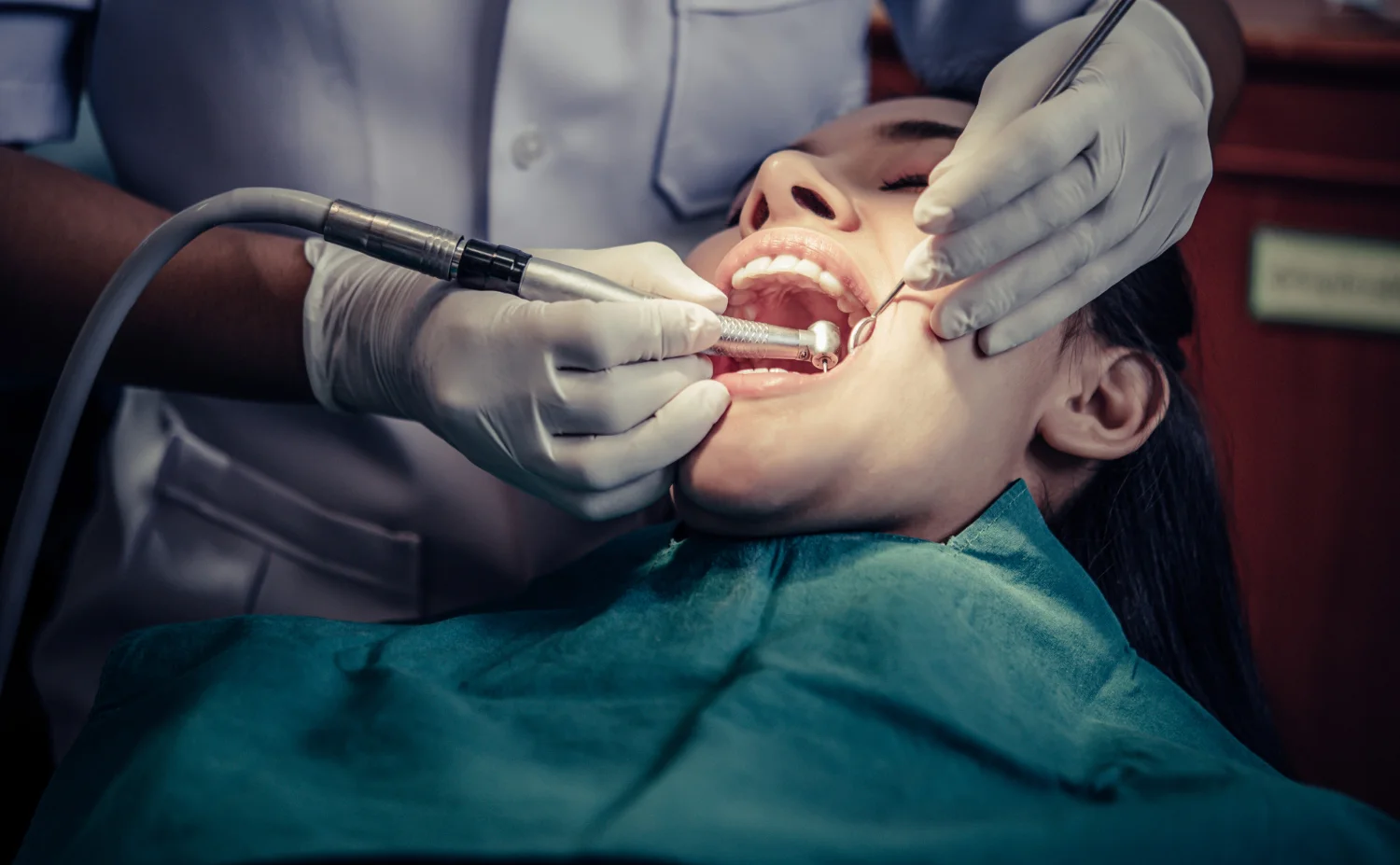
You might be feeling a little guilty every time you think about the dentist. Maybe you meant to schedule those checkups months ago, then school, work, and life got in the way. Now you are wondering if your child’s occasional toothache or your own bleeding gums are a sign you waited too long and whether it’s time to see a Northbrook IL dentist.
This is a common place for families to land. At first, you only notice a bit of plaque or a missed flossing night. Later, you start worrying about cavities, braces, or bigger bills. It can feel like you are always one step behind your family’s dental needs.
The good news is that preventive care can change that story. When you schedule a few key services with a general dentist, you move from reacting to problems to quietly avoiding many of them. In simple terms, regular preventive visits can mean fewer emergencies, fewer painful surprises, and often fewer costs over time.
Here is the short version. A family focused on prevention should keep up with five main services. Routine exams and cleanings. X rays when needed. Fluoride treatments. Dental sealants for kids and some adults. And personalized coaching on daily home care. Together, these services help protect your teeth and gums before problems become serious.
Why does preventive care with a general dentist matter so much for families?
Think about the way dental problems usually show up. A small cavity starts quietly. There is no pain at first. By the time a tooth hurts enough to interrupt sleep or school, the decay may already be deep. Treatment becomes more complex and often more expensive.
This is the emotional strain many parents know well. You see your child in pain and wonder if you missed warning signs. You worry about the cost of a filling or crown. You may even put off your own care to pay for theirs. That can lead to a cycle where everyone’s health is stretched thin.
On top of that, oral health is tightly connected to general health. Gum disease has been linked with heart problems and diabetes. Untreated tooth infections can spread. According to the CDC, simple habits like brushing, flossing, and regular care from a dentist are central to keeping your mouth and body healthier. You can see their guidance on oral health tips for adults.
So where does that leave you right now? It means that even if you have fallen behind, you can still create a new pattern. A family oriented general dentist can help you build a preventive plan that fits your schedule and your budget, instead of waiting for the next emergency.
What are the 5 preventive services every family should schedule?
To make this feel less overwhelming, it helps to name the core services you want in your routine. Think of these as your basic toolkit for preventive family dental care.
1. Regular dental exams and professional cleanings
Most families do best with checkups every 6 months, though some people need visits more often. During an exam, the dentist checks for cavities, gum disease, oral cancer, bite problems, and signs of clenching or grinding. The cleaning removes plaque and tartar that even careful brushing misses.
These visits are not only about your teeth. They are a chance to talk about habits, diet, and any concerns, from sensitive teeth to your teenager’s energy drink habit. The American Dental Association’s MouthHealthy site has a clear overview of why routine dental care and cleanings matter across all ages.
2. Diagnostic X rays when needed
Cavities often begin between teeth or under old fillings, where you cannot see them. X rays help your dentist find these early, when treatment is simpler and less costly. They also show bone levels around your teeth and help monitor children’s tooth and jaw development.
Many people worry about radiation, which is understandable. Modern digital X rays use very low doses, and dentists only order them when the benefit outweighs the risk. You can always ask how often your family truly needs them.
3. Fluoride treatments for stronger enamel
Fluoride helps repair early stages of tooth decay and makes tooth enamel more resistant to acid attacks from bacteria and sugary foods. Children benefit a great deal, though adults with a history of cavities or dry mouth can benefit too.
Professional fluoride treatments are quick, painless, and usually done at the end of a cleaning. For a clear visual summary, you can review the NIDCR’s fluoride fast facts.
4. Dental sealants to protect chewing surfaces
Sealants are thin, protective coatings painted on the chewing surfaces of back teeth. They block food and bacteria from settling into the deep grooves where many cavities start. Children often get sealants on their first and second permanent molars, usually around ages 6 and 12.
Some adults with deep grooves and no existing fillings can benefit too. Sealants are one of the simplest ways to prevent cavities, especially for kids who are still learning good brushing habits.
5. Personalized coaching on home care and habits
This is the part families often overlook. A preventive visit is not only about procedures. It is also about learning what to do between appointments. That includes brushing, flossing, diet choices, and even how to clean around braces or dental appliances.
The ADA’s MouthHealthy resource on everyday oral health covers many of these basics, yet nothing replaces advice tailored to your own mouth and your child’s specific needs.
How do the benefits of these preventive services compare to the risks and costs?
You might be wondering how to justify the time and money for these visits, especially if everyone seems fine right now. A simple comparison can help make the tradeoffs clearer.
| Preventive service | What it helps prevent | Typical experience | Potential long term benefit |
|---|---|---|---|
| Exams and cleanings | Advanced cavities, gum disease, tooth loss | 30 to 60 minutes, mild temporary sensitivity possible | Fewer emergencies and extractions, lower lifetime treatment costs |
| X rays as needed | Hidden decay, bone loss, missed infections | Quick, low radiation exposure, usually painless | Earlier treatment, less invasive procedures |
| Fluoride treatments | Early enamel breakdown and cavities | Painted or applied in a few minutes, no shots | Stronger teeth, fewer fillings over time |
| Dental sealants | Cavities in deep grooves of back teeth | Applied in one visit, no drilling for healthy teeth | Significant cavity reduction in sealed teeth |
| Home care coaching | Poor brushing and flossing habits, plaque buildup | Conversation during visit, tailored tips and tools | Better daily care, more control over your own health |
When you compare a short preventive visit to the time, discomfort, and cost of treating a toothache or infection, the value of an affordable family dental checkup becomes clearer. The goal is not perfection. The goal is steady, realistic care that keeps most problems small.
What can you do this week to protect your family’s smiles?
You do not have to overhaul everything at once. A few focused steps can shift your family toward a more preventive routine with your general dental care provider.
1. Schedule the next round of checkups today
Pick a date range that works for your family, such as the start of each school break or the same month every year. Call your general dentist and schedule exams and cleanings for everyone who is due. If you are unsure when you were last seen, ask the office to check your records.
When you call, you can also ask which preventive services are usually included for children and adults, and how your insurance or payment options apply to those visits.
2. Make home care simple and visible
Set up a small “oral health station” in your bathroom. Keep toothbrushes, fluoride toothpaste, floss or flossers, and any special tools your dentist recommended in one place. For children, consider a simple chart or timer to make brushing for two minutes easier.
Use your next visit to ask the dental team to show your child how to brush and floss in a way that matches their age and coordination. Many kids respond better to coaching from a professional than from a parent.
3. Talk openly with your dentist about fears and costs
If you or your child feel anxious, say so when you schedule. A good general dentist will adjust the pace, explain each step, and give you choices. If money is tight, ask about which preventive services give the most value for your situation, and whether there are payment plans or discount programs.
Clear communication often turns a stressful appointment into a more manageable one. It also builds trust, which makes it easier to keep coming back before problems grow.
Moving forward with more confidence and less dental stress
You do not need to be a perfect patient or a perfect parent to protect your family’s oral health. You only need a plan that brings you back to your general dentist regularly for those five core preventive services. Exams and cleanings. X rays when needed. Fluoride. Sealants. And real guidance on what to do at home.
If it has been a while, that is okay. Start with one phone call to schedule those checkups. From there, you and your dental team can decide which preventive steps fit your family best, so that your next chapter includes fewer dental surprises and more quiet, confident smiles.