Living independently should not mean putting oneself in harm’s way or being unable to enjoy everyday life. It should mean proper safety planning and using contemporary resources to establish backup systems that assist but do not deter a purposeful lifestyle. Ideally, comprehensive safety planning occurs throughout the home and when moving around without placing an individual in a position that makes every day feel like a drill.
Gone are the days of mere emergency buttons and weekly check-in phone calls from a landline. Today, everything from reliable safety technology to advanced backup protocols make senior safety situations unintrusive and smart, anticipating this generation’s variances in actions and adventures.
Start With Home Safety Foundations
The best home safety endeavors occur to ensure decreased incident probability without institutionalizing spaces. The best solutions are often the least visible to outsiders. For example, better lighting, grab bars in the right places, and the elimination of trip hazards are conducive to effective living while remaining virtually undetectable among interior options.
While many areas can create safety improvements, the bathroom often tops lists of priorities because it poses some of the most significant threats. Non-slip surfaces, strategically placed grab bars and lighting serve seniors well here, although the goal is to use modifications that others won’t see as severe/medical.
The bathroom is where seniors often cannot wait to lose independence, but the kitchen could use added safety measures, too. The kitchen is where seniors want to maintain independence the longest; therefore, upgraded lighting features, placement of necessities within reach, and automatic shutoff on stoves can prevent fire injuries.
There should also be several ways to call for help in a home – both established in one area and dispersed. The need for emergency contact information should be prevalent yet accessible to emergency responders without showing internal disarray.
General Safety When Out and About
For the independent senior who wants to keep an active lifestyle, safety systems must operate outside of the home, as well. Reliable options implemented through technology make this an easy endeavor.
GPS tracking has become much more sophisticated and user-friendly than earlier systems. A gps tracker for emergencies in elderly individuals can now provide precise location information, two-way communication, and automatic fall detection while being discrete enough to wear comfortably during all daily activities.
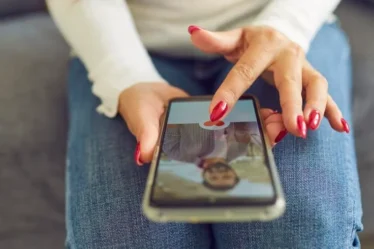
Mobile safety applications offer many of the same advantages across platforms as dedicated devices; however, they only work when seniors are technology proficient. As for benefits, these systems function via equipment seniors likely already carry and implement.
A basic GPS with larger buttons and more accessible facets may also provide the same levels of reliability without smartphone options. Many of these devices boast longer battery lives than smartphone options and sturdiness stronger than what’s achievable through wearables.
Communication Systems Facilitate Safe Connections
Communicating among family does not require medicalized check-in processes or location monitoring that fosters a sense of being watched. Instead, deliberate communication systems ease familial nerves while allowing seniors their independence.
Scheduled check-ins work better than sporadic calls; the goal is not to call someone every day because family thinks something is wrong with their loved one – it’s better to note a potential result from a lack of contact, thus establishing weekly video calls or consistent activities held together can allow for calm assessments.
Location-based services help seniors share where they’re going at any given time with family without making them feel trapped; more often than not, sharing where someone is located prevents “where are you” calls throughout the day.
Emergency contacts should include family but also extend beyond them. The more points of assistance there are when family members are unavailable, the better chance a senior has of surviving any incident without being overly dependent on any one person.
Integrated Technology is the Safest Bet
The more technology integrates systems together, the better; those who have a reliable home monitoring system have mobile devices with apps that allow them extra communication outlets via reliable channels.
Smart home technology hardly requires extensive knowledge to make safety features work. For example, smart doorbells, activated lights when someone enters a room (not just when they fall), and automatic reminders for medication enhance safety without complicating matters.
Wearable devices have come a long way in terms of attractiveness; no longer do hidden electronics look like unattractive medical accessories – instead, they work as nice-looking jewelry or looking like traditional watches with fall detection capabilities, heart rate monitors and gps tracking devices.
Technology that feels natural instead of overwhelming is most effective for senior safety. For example, complicated systems turn potentially natural developments into points of frustration.
Support Systems Beyond Technology Help Most
The best networks facilitate independence include people where social connections are necessary for routine engagement and informal monitoring.
Regular contact with neighbors bolsters situational awareness when someone out of sorts is out of sorts. For example, nosy neighbors who know each other tend to recognize when something is off – something from a stranger is ignored.
Community engagement through volunteering or passive or active participation within groups involves multiple touchpoints that make people more likely to notice absence or behavioral nuance changes. Better than formalized assistance is social networking emergencies.
Professional services offer informal monitoring dynamics for continued independence. These include housekeeping help for those who don’t want to clean and lawn maintenance for those who prefer not to go outside yet need someone else.
Long-Term Sustainable Options
The safety planning that works long-term for independent seniors must be sustainable over time to avoid making adjustments that cause more problems than preemptive efforts avoid.
Safety systems should be reviewed regularly – even if they become ingrained in natural patterns they never get old. If something worked well at 65 but was forgotten about at 75 it’s clear why safety adjustments became necessary – what worked then may still work now for 85-year-olds.
Affordability matters but sometimes reliable ventures trump costs compared to bargain basement efforts that fail when greatest integrity is necessary. The best goal is to create comprehensive safety coverage that supports seniors’ goals instead of boxing them into mediocrity at best.
When safety planning facilitates confidence without limiting activity, operations become successful enough so that those living independently remain fully empowered while operating as if they are always on backup just in case something happens.