
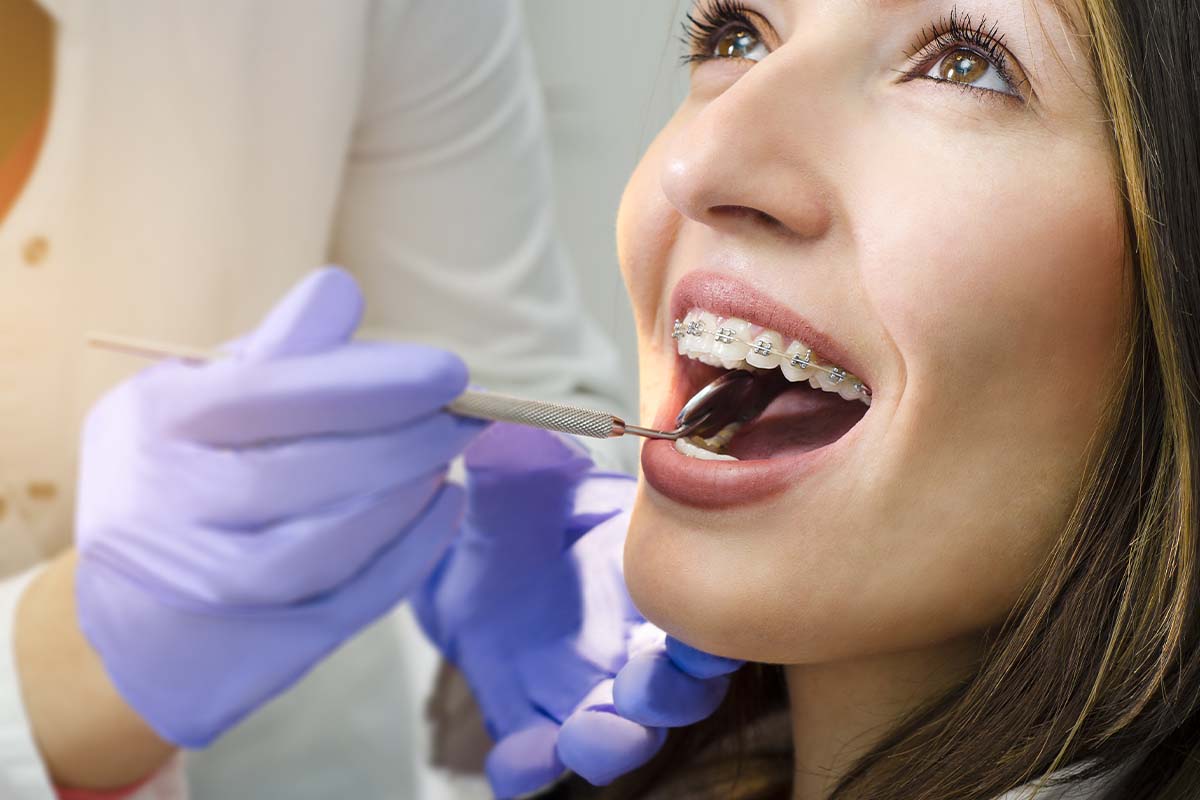
You might be watching your child hide their smile in photos, cover their mouth when they laugh, or complain that their teeth “look weird,” and you are not sure what to do next. You want to help, yet you also worry about cost, time, and whether treatment with a Peekskill pediatric dentist will be uncomfortable or even necessary. It can feel like a lot for something as simple and as deep as a smile.end
Orthodontic care with a pediatric dentist and orthodontist is not only about straight teeth. It is about helping children feel safe in their own skin, easing pain and chewing problems, and giving them a smile they are proud to share. In simple terms, early and thoughtful orthodontic services can improve your child’s confidence at school, in activities, and at home.
This guide walks through five clear ways orthodontic care builds confidence in young patients, the common worries parents face, how to weigh options, and what you can do right now to move from worry to a plan.
Why Do Crooked Teeth Affect Kids So Much Emotionally?
When teeth are crowded, stick out, or do not meet properly, the impact is rarely just physical. Children are very aware of how they look, especially as they approach middle school. They may hear comments from classmates or see themselves in photos and feel embarrassed. Even if no one says anything unkind, they might still feel that something is “wrong” with their smile.
That is the starting point for many parents. A child who once grinned easily now smiles with lips closed. They may avoid speaking up in class or trying out for activities where they feel “on display.” This emotional weight is real, and it can slowly chip away at self-esteem.
So where does orthodontic care fit in?
Orthodontic treatment guided by a pediatric dentist and orthodontist addresses both the function and appearance of the teeth and bite. According to the American Academy of Pediatric Dentistry guidelines on developing dentition, early assessment of how the teeth and jaws are growing can prevent bigger problems later, which often means simpler treatment and less emotional strain on the child.
Five Ways Orthodontic Care Builds Confidence In Young Patients
You may be wondering how something like braces or aligners can affect your child’s sense of self. Here are five specific ways orthodontic services for children support confidence.
1. A smile they are proud to show
When teeth are aligned and the bite is balanced, smiles often look more even and relaxed. Children notice this very quickly. They see their reflection, or a picture from school, and they recognize the change. That visual shift can turn “I hate my smile” into “I actually like how I look now.”
Many kids start treatment feeling nervous about braces, yet as teeth begin to move and they see progress, they become more eager to smile. This unfolding pride can spill over into friendships, school participation, and even posture.
2. Easier chewing and speaking
Misaligned teeth can make chewing uncomfortable or inefficient. Some children avoid certain foods or take much longer to finish meals. Others have speech sounds that are harder to pronounce because of the position of their teeth or jaws. When orthodontic care improves the bite, eating and speaking often feel more natural.
Imagine a child who no longer worries about struggling with certain words when reading aloud or no longer feels embarrassed by how they chew in front of classmates. That relief alone can boost day to day confidence.
3. Less teasing and self-consciousness
While you cannot control what other children say, you can support your child by addressing obvious dental issues that become targets for teasing. Teeth that stick out, very large gaps, or jaw positions that affect facial shape can draw unwanted attention.
Thoughtful orthodontic treatment can reduce these visible differences. For many children, simply feeling that they “blend in” a bit more is calming. They can focus on who they are instead of worrying about how their teeth look to others.
4. A sense of control and progress
Orthodontic care often involves regular visits, clear steps, and visible change over time. Children learn that their daily choices, like wearing elastics or keeping teeth clean around braces, affect their results. This builds a sense of ownership.
Instead of feeling stuck with a smile they do not like, they experience progress. Every small improvement, every “look how much straighter my teeth are now,” reinforces the idea that effort leads to change. That lesson supports confidence far beyond their smile.
5. Healthier teeth for the long term
Straighter teeth are easier to clean. That reduces the risk of cavities and gum problems, which can lead to pain, bad breath, or visible decay. Children who struggle with frequent dental issues may feel ashamed or worried about their breath or appearance.
When orthodontic care improves alignment, daily brushing and flossing become more effective. With regular preventive visits, as recommended in the AAPD periodicity schedule for exams and preventive services, your child can enjoy a healthier mouth and the quiet confidence that comes with it.
What Are The Tradeoffs Of Early Orthodontic Care For Kids?
Once you see the emotional and health benefits, another question often appears. What about cost, commitment, and the different types of treatment? Parents frequently wrestle with thoughts like “Should we wait?” or “Is early treatment really worth it?”
There are real tradeoffs. Early treatment can shorten or simplify later phases, yet it also means starting sooner, with more visits during busy years. Some families hope that their child will “grow out of it,” while others feel pressure to fix everything immediately.
Professional guidelines from orthodontic organizations, such as those referenced in clinical practice guidance from orthodontic specialists, support early evaluation around age 7. That does not mean every child needs braces at that age. It means a trained eye can spot growth patterns and decide whether to watch, guide, or treat.
The table below compares common concerns parents have when deciding between waiting and starting treatment with a pediatric dentist and orthodontist.
| Consideration | Waiting To Treat | Early Orthodontic Care |
|---|---|---|
| Emotional impact on child | Child may continue to feel self-conscious about smile or bite | Visible progress can boost self-esteem and social comfort |
| Complexity of future treatment | Problems can worsen, possibly needing extractions or longer treatment | Guides jaw growth and tooth eruption, often reducing later complexity |
| Financial timing | Costs may be higher if problems become more severe | Costs may be spread across phases, with some issues prevented |
| Daily life and schedule | Fewer visits now, possible more intense treatment later | More visits earlier, often shorter or simpler adjustments later |
| Oral health risks | Hard to clean crowded teeth, higher chance of decay and gum irritation | Improved alignment, easier hygiene, better long term tooth health |
There is no single “right” answer for every child. The key is a thoughtful evaluation and an honest conversation about what your child needs socially, emotionally, and physically right now.
Three Steps You Can Take Right Now To Support Your Child
When you feel unsure, having a few clear actions can ease that sense of being stuck. Here are three steps that can move you forward.
1. Schedule an early orthodontic evaluation
If your child has not yet seen a pediatric dentist or orthodontist for an alignment and bite check, this is the best starting point. You do not have to wait for all the adult teeth to come in. An early visit allows the doctor to spot crowding, bite issues, or growth patterns and explain whether to monitor or treat.
During the visit, ask specific questions. How might this issue affect my child’s confidence at school. What are the pros and cons of treating now versus waiting. What would treatment look like for my child’s age and personality.
2. Talk openly with your child about their smile
Children often carry quiet worries about their teeth. Create space for them to share. You might say, “I have noticed you cover your mouth when you laugh. How do you feel about your smile lately.” Listen without rushing to fix. Their honest words will guide your decisions far better than assumptions.
When you do discuss orthodontic treatment for kids, frame it as something you will explore together, not something being done to them. Emphasize comfort, health, and confidence, not just looks.
3. Plan for the practical side
If treatment is recommended, ask about payment options, expected length of treatment, and how often your child will need to be seen. Many offices offer phased treatment, flexible payment plans, and clear timelines.
At home, think about the daily routine. Who will handle appointment drives. How will you support good brushing and flossing with braces or appliances. The more prepared you feel, the calmer your child will feel.
Helping Your Child Move From Hiding Their Smile To Owning It
Watching your child struggle with their smile can be painful. It can stir up your own memories of being teased or feeling different. You are not overreacting by paying attention to this. Confidence in childhood has a way of shaping how kids step into every new challenge.
Thoughtful orthodontic care, guided by a pediatric dentist and orthodontist who understands growth and emotions, can turn a source of stress into a source of pride. Whether your next step is scheduling an evaluation, starting treatment, or simply opening a conversation at home, you are already moving in the right direction.
You do not have to have every answer today. You only need the next step. With the right guidance and a focus on both health and confidence, your child can move from hiding their smile to owning it, one small change at a time, supported by the quiet strength of quality pediatric dental and orthodontic care.