
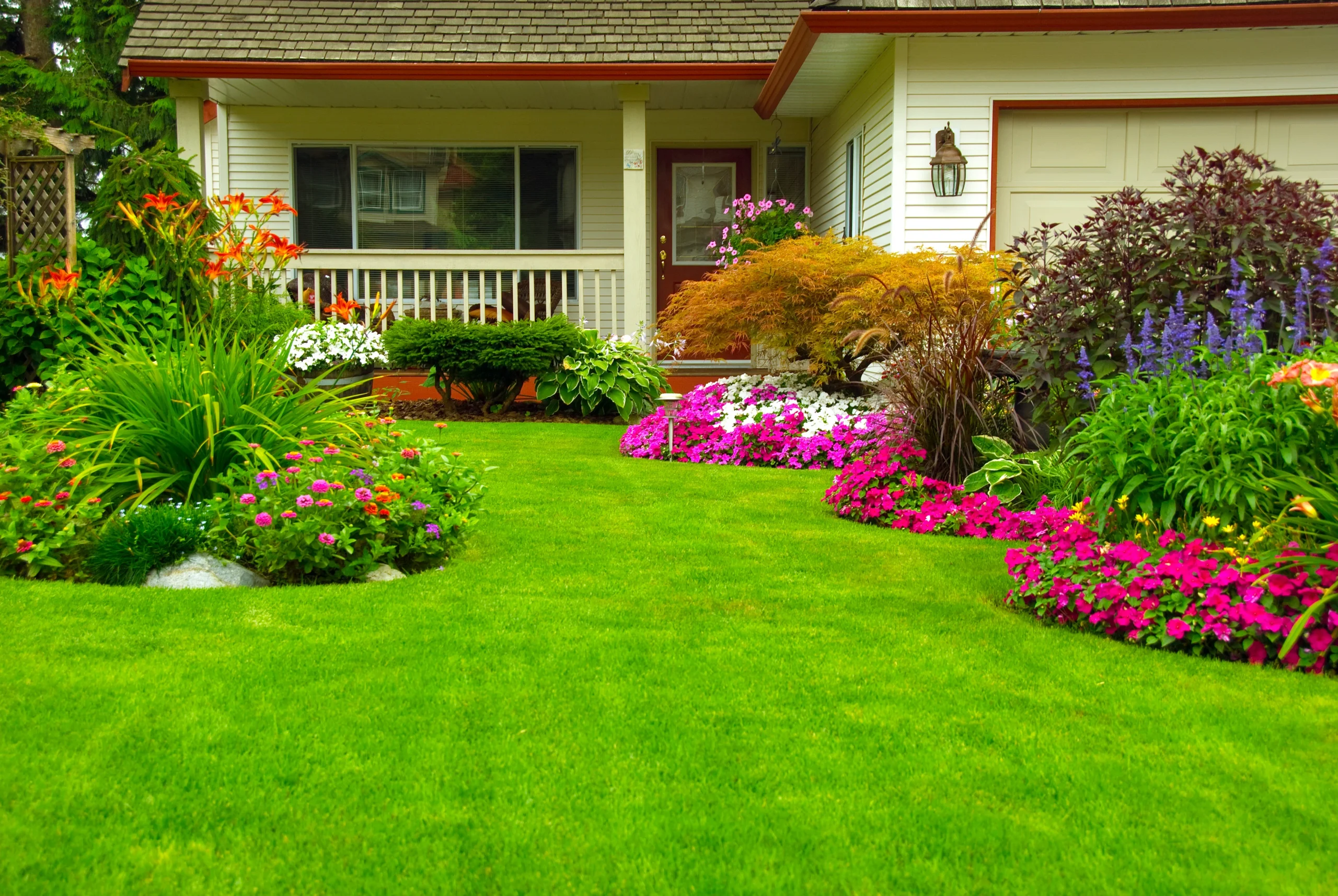
For many homeowners, the ultimate backyard dream is a vibrant, green lawn adjacent to a sparkling, crystal-clear swimming pool. However, maintaining these two distinct features often feels like a balancing act. Grass clippings can contaminate the pool, while chemically treated splash-out can harm the turf. Achieving harmony between a healthy lawn and a clean pool requires a strategic approach that integrates care routines. By implementing smart design choices and efficient maintenance habits, you can create a cohesive outdoor oasis where both elements thrive without constant labor.
Synergizing Lawn and Pool Maintenance
The relationship between your lawn and your pool is more interconnected than it appears. Neglecting one often leads to problems with the other. For instance, an overgrown lawn increases the likelihood of insects and debris entering the water, placing a heavier load on the pool’s filtration system. Conversely, poor drainage around the pool deck can lead to waterlogged soil that invites fungal diseases in the grass. The key to easy maintenance is to view the backyard as a single ecosystem where every action supports the health of the whole.
Efficient Water Management Strategies
Water is the common denominator for both lawn and pool care. Managing it wisely is essential for conservation and cost savings. Inefficient watering practices not only waste resources but can also create structural issues for the pool and health issues for the grass.
Smart Irrigation Integration
One of the most effective ways to ensure your lawn stays hydrated without negatively impacting the pool is to upgrade your watering infrastructure. Traditional sprinklers often suffer from overspray, sending water onto the pool deck or directly into the pool. This not only wastes water but can also introduce phosphates from fertilizers into the pool, fueling algae growth.
Installing a modern irrigation system eliminates this risk. These intelligent systems utilize smart controllers that connect to local weather data. They adjust watering schedules based on real-time conditions, ensuring the lawn receives precise hydration. Furthermore, they allow for zone-specific programming, enabling you to create a “dry buffer” zone near the pool to prevent overspray and runoff.
Preventing Runoff and Contamination
Runoff is a major enemy of a clean pool. Heavy rain or excessive irrigation can wash soil, mulch, and fertilizers from the garden into the pool water. To prevent this, ensure that the landscape slopes gently away from the pool deck. Installing a gravel perimeter or a french drain between the grass and the hardscape can act as a filter, capturing debris and diverting excess water before it reaches the swimming area. This simple structural change significantly reduces the time spent balancing pool chemicals and cleaning the filter.
Maintaining a Debris-Free Environment
Keeping a pool clean is infinitely easier when the surrounding environment is tidy. The majority of the dirt in a pool comes from the immediate landscape. Therefore, maintaining a healthy lawn is actually a proactive step in pool care.
Strategic Mowing Techniques
Mowing is a routine chore, but how you do it matters. Always direct the discharge chute of your mower away from the pool area. This prevents grass clippings from being blown into the water, where they can clog skimmers and deplete sanitizer levels. Additionally, keeping the grass at a healthy height—usually around three inches—helps the turf retain moisture and suppress weeds. A thick, healthy lawn holds soil in place better than a patchy one, reducing dust and dirt that might otherwise blow into the pool on windy days.
Automated Pool Cleaning
Despite your best efforts with landscaping, some debris will inevitably find its way into the water. To maintain a spotless pool without sacrificing your weekends, automation is essential. Manual vacuuming is time-consuming and labor-intensive. A better solution is to utilize the best pool cleaner for your specific needs. Robotic cleaners are the gold standard for easy maintenance. These autonomous devices scrub the pool floor and walls, trapping contaminants in onboard canisters. By running a robotic cleaner regularly, you prevent algae spores from taking hold and ensure the water remains polished and inviting with minimal human intervention.
Chemical Balance and Plant Health
The chemicals used to keep a pool sanitary and the fertilizers used to keep a lawn green can be mutually destructive if they cross paths. Understanding this chemical interaction is vital for a healthy backyard.
Choosing Pool-Friendly Plants
The vegetation you choose to plant around your pool deck plays a significant role in maintenance levels. Avoid plants that drop excessive leaves, berries, or flowers, as these create a constant cleaning burden. Instead, opt for pool-friendly species such as ornamental grasses, succulents, or palms, depending on your climate. These plants are generally cleaner and more robust. Furthermore, native plants are excellent choices as they require fewer fertilizers and pesticides, reducing the risk of chemical runoff entering the pool.
Safe Fertilization Practices
When feeding your lawn, be mindful of proximity to the water. Granular fertilizers can easily be kicked onto the pool deck and tracked into the water by swimmers. If these granules contain iron, they can leave stubborn rust stains on the pool floor. Use a drop spreader rather than a broadcast spreader near the pool to control the application area precisely. Alternatively, consider using organic or liquid fertilizers, which are absorbed more quickly by the soil and pose less risk of physical contamination.
Seasonal Care Routines
A year-round plan ensures that neither the pool nor the lawn is neglected as the seasons change. Consistent, small efforts prevent the need for massive cleanups later.
Spring Prep and Summer Maintenance
In spring, focus on clearing winter debris and balancing the pool water early. Aerate the lawn to relieve compaction and encourage deep root growth. As summer arrives, the focus shifts to maintenance. Run your robotic pool cleaner daily during heavy use periods and increase irrigation frequency during heatwaves, relying on your smart controller to manage the schedule efficiently.
Autumn Cleanup and Winterizing
Autumn is critical for preventing winter damage. As leaves fall, stay diligent about skimming the pool and emptying skimmer baskets to prevent clogs. Rake or mulch leaves on the lawn to prevent them from smothering the grass. If you close your pool for the winter, ensure the cover is secure and free of holes. For the lawn, applying a winterizer fertilizer helps the roots store energy, ensuring a quicker, greener return when spring arrives.
Conclusion
Achieving a healthy lawn and a clean pool simultaneously is not about working harder, but about working smarter. By leveraging technology like smart irrigation and robotic cleaning, and by designing your landscape to minimize cross-contamination, you can enjoy the best of both worlds. These easy tips transform the backyard from a source of chores into a harmonious sanctuary where the greenery complements the water, creating a perfect setting for relaxation and entertainment.