
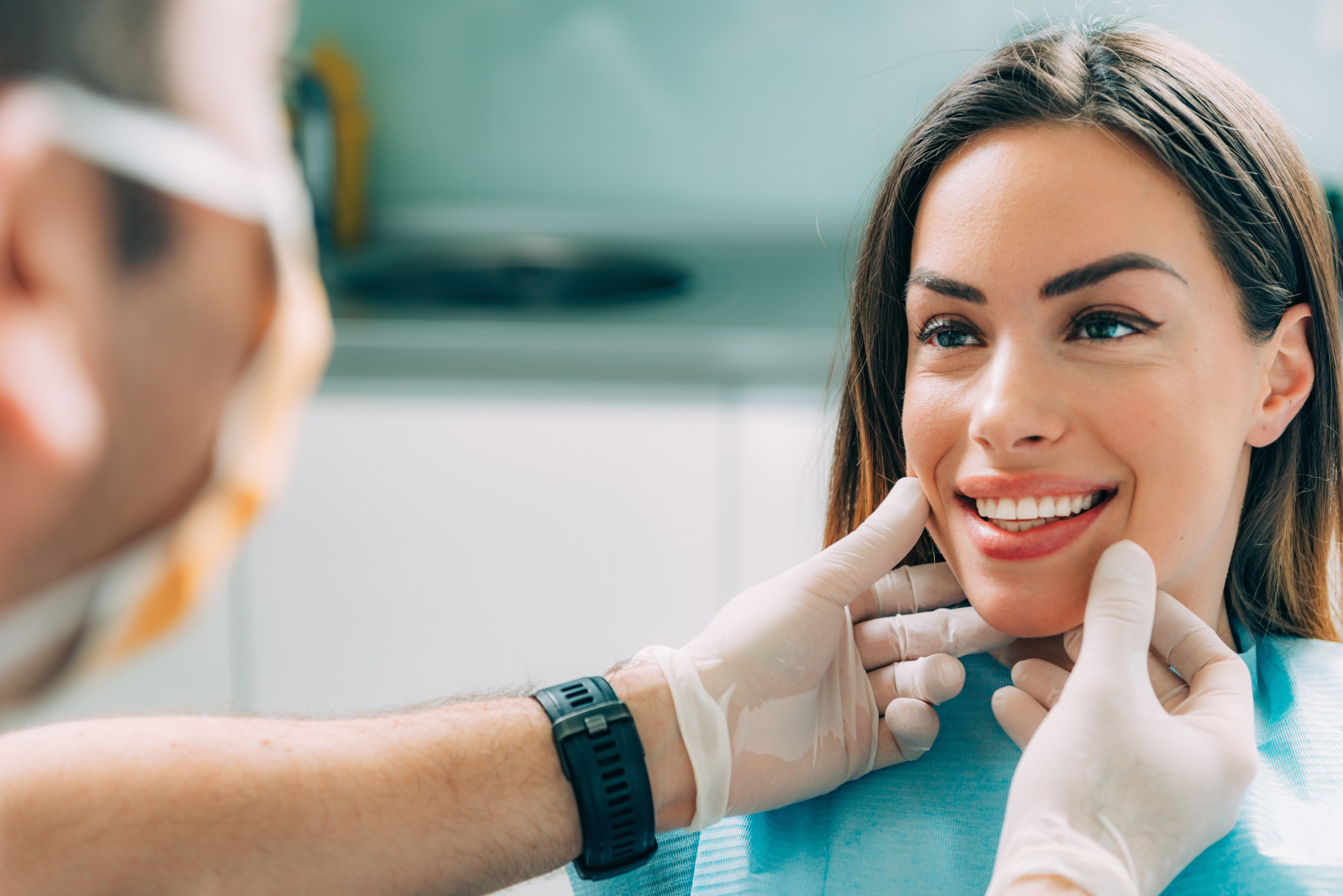
You notice the little things first. A child who never had bad breath suddenly does. Gums bleed during brushing. Braces make cleaning harder. Snacks disappear faster, sports drinks show up in backpacks, and brushing starts to feel like a negotiation instead of a habit. Puberty changes a lot at once, and oral health often gets caught in the middle, sometimes even leading to dental emergencies in Richmond, IN.
That shift can feel frustrating because the problems seem to come out of nowhere, but they usually do not. Hormones, diet, growth, sleep changes, and independence all affect the mouth. A family dentist looks at the whole picture, catches issues early, and helps you adjust before small problems turn into pain, cavities, or gum disease. That is the heart of How Family Dentists Address Oral Health Concerns During Puberty.
Puberty changes the mouth in ways families do not always expect
During puberty, hormone changes can make gums more sensitive to plaque. That means the same brushing habits that seemed fine a year ago may no longer be enough. Some teens develop red, swollen, or bleeding gums even without obvious decay. According to the American Academy of Pediatric Dentistry guidance on adolescent oral health care, adolescence brings a mix of risks that includes periodontal concerns, diet changes, orthodontic needs, oral piercings, sports injuries, and tobacco or substance exposure.
You may also see more mouth breathing, dry mouth from medications, canker sores, clenching, or sensitivity from whitening products bought without guidance. If a teen has braces or aligners, plaque has more places to hide. If they play contact sports and skip a mouthguard, one bad hit can mean a broken tooth and a long, expensive repair.
This is why a family dentist for puberty-related oral health issues does more than clean teeth. They watch for patterns. They ask about sleep, diet, sports, medications, and hygiene habits without making your child feel cornered.
Family dentists treat the causes, not just the symptoms
When puberty affects oral health, the problem is rarely just one thing. A teen with bleeding gums may also have crowded teeth, inconsistent brushing, and a high-sugar diet. A teen with chronic bad breath may be dealing with dry mouth, poor tongue cleaning, and mouth breathing at night. Treating only the visible symptom misses the reason it started.
Family dentists usually begin with an exam that looks at gum health, enamel wear, cavity risk, bite changes, and signs of habits like grinding. They may recommend more frequent cleanings for a period of time, fluoride treatments, sealants, or changes to home care. The National Institute of Dental and Craniofacial Research notes in its oral health summary that oral conditions affect eating, speaking, sleep, school performance, and overall well-being. For teens, that can mean pain during class, embarrassment about breath, or avoiding smiling in photos.
The emotional side matters too. Puberty already makes many kids self-conscious. If they are dealing with swollen gums, visible plaque around braces, or a chipped tooth from sports, they may pull back instead of asking for help. A good family dentist keeps the conversation calm and direct. No shame. No lectures. Just clear steps.
Common puberty-related oral health concerns and how family dentists respond
Gingivitis: Hormone changes can make gums react more strongly to plaque. Dentists remove buildup, show better brushing and flossing technique, and may shorten the recall schedule until the gums settle down.
Cavities: More snacking, energy drinks, and skipped brushing raise the risk. Dentists look at diet patterns, apply fluoride when needed, and place sealants on cavity-prone molars.
Orthodontic hygiene problems: Braces trap food and plaque. Dentists teach tool-specific cleaning, including interdental brushes, floss threaders, and water flossers when appropriate.
Sports injuries: Active teens face a real risk of chipped or knocked-out teeth. Dentists fit mouthguards and explain when a custom guard makes more sense than a store-bought one.
Dry mouth and bad breath: Medications, dehydration, and mouth breathing can all play a part. Dentists identify the source and suggest hydration, saliva-supportive products, and better tongue cleaning.
Daily care at home and professional family dental care work better together
| CONCERN | AT-HOME CARE | WHAT A FAMILY DENTIST ADDS |
| Bleeding gums | Consistent brushing at the gumline and daily flossing | Professional cleaning, gum evaluation, and a plan based on hormone-related inflammation |
| Cavity risk | Less frequent sugary snacks and drinks, fluoride toothpaste | Sealants, fluoride treatment, early decay detection |
| Braces hygiene | Interdental cleaning tools and longer brushing time | Monitoring for decalcification, gum swelling, and hard-to-see plaque buildup |
| Sports trauma | Wearing a mouthguard during games and practice | Custom fit options and treatment if injury occurs |
| Bad breath or dry mouth | Hydration, tongue cleaning, limiting sugary drinks | Finding causes such as medication effects, decay, or gum disease |
Population data supports the need for early, steady care. The CDC oral health surveillance findings show that tooth decay remains common, and untreated issues still affect children and teens across the country. That is why adolescent dental care works best when routine visits continue through the messy middle years instead of dropping off once baby teeth are gone.
Three steps you can take right away
Track the pattern, not just the complaint. If your teen mentions sensitivity, bad breath, or bleeding gums, write down when it happens, what they are eating and drinking, and whether braces, mouth breathing, or sports are involved. That makes the dental visit more useful.
Reset the routine without turning it into a fight. Replace worn toothbrushes, keep floss picks or interdental brushes where they are easy to grab, and cut back on sipping sports drinks or soda through the day. Small changes done daily beat a perfect routine done twice a week.
Book preventive care before pain forces the issue. A family dentist can spot gum inflammation, early decay, enamel changes, and hygiene trouble long before your child says a tooth hurts. Preventive visits are almost always easier and less expensive than urgent treatment.
Steady support makes puberty easier on your teen’s oral health
Puberty is a moving target. Habits change, bodies change, and dental needs change with them. If your child’s mouth suddenly seems harder to manage, you are not imagining it, and you are not behind. A family dentist helps connect the dots, reduce the stress, and keep your teen healthy through a stage that rarely stays simple for long.
If you have noticed bleeding gums, more cavities, bad breath, or hygiene struggles during these years, schedule a visit with a family dentist and get ahead of it before the next growth spurt brings one more thing to manage.