
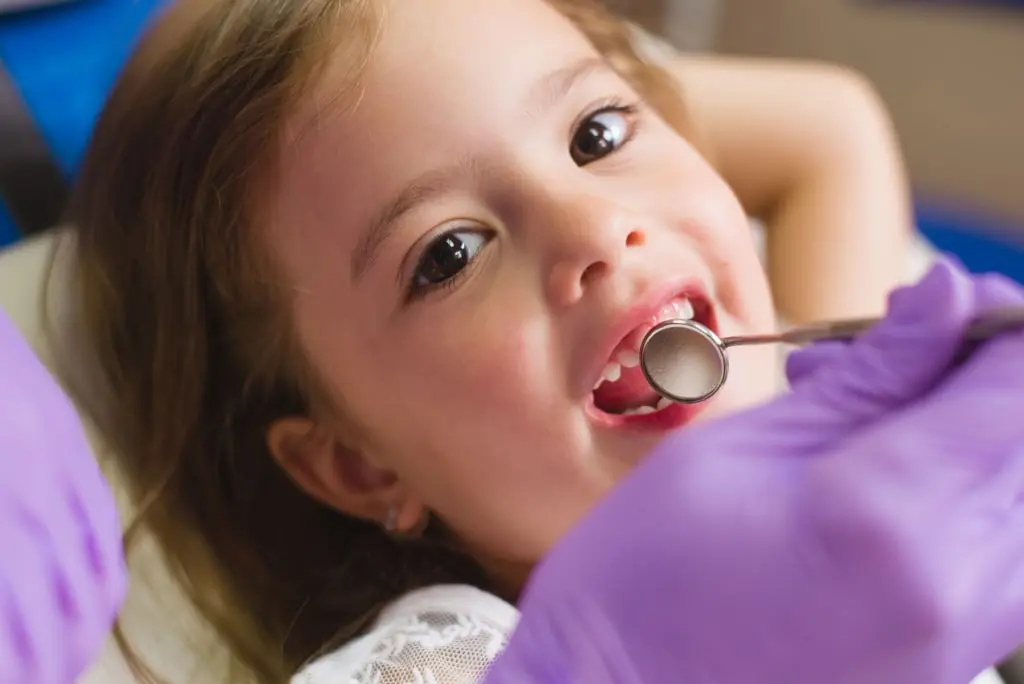
You might be feeling pulled in two directions at once. On one side, you want your child to have healthy teeth, less pain, and calm dental visits with a children’s dentist in Modesto. On the other, you may already know that a routine appointment does not always feel routine when your child has sensory needs, developmental differences, medical conditions, anxiety, or trouble with communication. That gap between what “should” be simple and what your family actually experiences can feel heavy.
The good news is that How Pediatric Dentists Approach Special Health Care Needs is not about forcing every child into the same mold. It is about adapting care to the child in front of them. A pediatric dentist often works by slowing things down, learning triggers, building trust, and shaping treatment around medical, behavioral, and sensory needs so oral care feels safer and more realistic for your family.
Why can dental care feel so much harder for children with special health care needs?
Sometimes the challenge starts before anyone sits in the chair. A child may struggle with bright lights, new sounds, changes in routine, touch around the face, or the fear that comes from not knowing what happens next. For other families, the issue is physical. Muscle tone, swallowing concerns, certain medicines, oral habits, or feeding differences can all affect dental health and make home care harder.
Because of this tension, you might wonder if the problem is behavior alone. Usually, it is not that simple. Children with developmental disabilities or complex medical needs often face higher barriers to oral care, and those barriers can be practical as much as emotional. The National Institute of Dental and Craniofacial Research offers helpful background on oral health and developmental disabilities, including why prevention and individualized support matter so much.
When these needs are not recognized early, small issues can grow. A child who cannot tolerate brushing well may develop plaque buildup. A child who eats a limited diet or takes sweetened medicines may face a higher cavity risk. A child with dental fear may avoid visits until there is pain. Then the family is no longer planning a calm checkup. They are trying to solve a crisis.
So how does a pediatric dentist adapt care instead of expecting your child to adapt alone?
A thoughtful pediatric dentist starts with questions, not assumptions. What helps your child stay calm? What causes overload? Can they communicate pain clearly? Are there medical diagnoses, mobility concerns, seizure disorders, heart conditions, feeding tubes, or medication side effects that change treatment planning? This kind of visit is less about rushing and more about building a map.
That map may include shorter appointments, visual schedules, quiet language, desensitization visits, protective stabilization when appropriate, or sedation options when basic care is otherwise out of reach. For some children, the first success is simply walking into the room and touching the chair. For others, the key is a predictable sequence and one trusted caregiver nearby.
Special needs pediatric dentistry also means prevention gets extra attention. Fluoride, sealants, home care coaching, and diet guidance can lower the chance that a child will need more invasive treatment later. Support from broader public health programs can help too. The Health Resources and Services Administration shares family and community oral health resources that can be useful when you are trying to connect daily habits with long term care.
What practical differences should you expect from a dentist for children with special needs?
Not every office uses the same approach, but families often notice a few differences right away. The pace may be slower. The history may be more detailed. The team may ask for notes from physicians, therapists, or past dental visits. That is not overcomplication. It is how safer, more workable care is built.
| CARE AREA | STANDARD ROUTINE VISIT | ADAPTED PEDIATRIC DENTAL CARE |
| Appointment length | Set time, fast pace | May allow extra time for transition, breaks, and trust building |
| Communication | Verbal instructions only | Simple wording, visual supports, modeling, caregiver input |
| Sensory environment | Bright lights, common office noise | Reduced stimulation when possible, predictable steps |
| Prevention plan | General brushing and diet advice | Customized home care for motor, sensory, or feeding challenges |
| Treatment planning | One size fits most | Medical history, behavior, safety, and tolerance all shape the plan |
If you have ever thought, “Why can’t they just clean the teeth and be done with it,” that feeling makes sense. Still, adapted care often saves stress over time. Research summarized by the National Center for Biotechnology Information on oral health in children with special healthcare needs points to the value of early prevention, coordinated care, and treatment plans that reflect the child’s full health picture.
What can you do right now to make the next visit easier?
1. Build a short child profile. Write down triggers, comforts, communication style, medicines, diagnoses, and what a good visit would look like. Even a few notes can help the dental team prepare in a way that respects your child.
2. Practice the routine before the appointment. Try a toothbrush count at home, open and close practice, or a simple picture sequence of entering, sitting, opening, and finishing. For many children, predictability lowers fear more than persuasion does.
3. Ask planning questions in advance. Call ahead and ask whether the office has experience with pediatric dental care for special health care needs, whether a morning slot is better, whether a pre visit is possible, and how they handle sensory or behavioral concerns. Clear questions often lead to calmer care.
Where does that leave you if you have been putting this off?
It leaves you in a more hopeful place than you may think. Your child does not need to fit a perfect script to receive good dental care. The right pediatric dentist looks at the whole child, not just the teeth, and adjusts the plan so safety, dignity, and prevention stay at the center.
If you have been waiting for the “right time,” it may help to think smaller. The next step does not have to be a full treatment day. It can be a conversation, a consultation, or a first visit built around comfort and information. A caring pediatric dentist can help you move from worry toward a plan that feels possible.


