Cockroaches are one of the most frustrating pests to deal with because they rarely appear by accident. If you see one or two cockroaches in the kitchen, bathroom, laundry, or around appliances, there is often a larger issue hidden nearby. They may be nesting behind cupboards, under sinks, inside wall gaps, near drains, or around warm electrical appliances where food, moisture, and shelter are available.
Many homeowners try to manage the problem with sprays, traps, or cleaning. These steps may reduce visible activity for a short time, but they often do not reach the source. Cockroaches can breed quickly, hide in tight spaces, and return once the surface treatment wears off. This is why professional treatment is often needed when the problem keeps coming back.
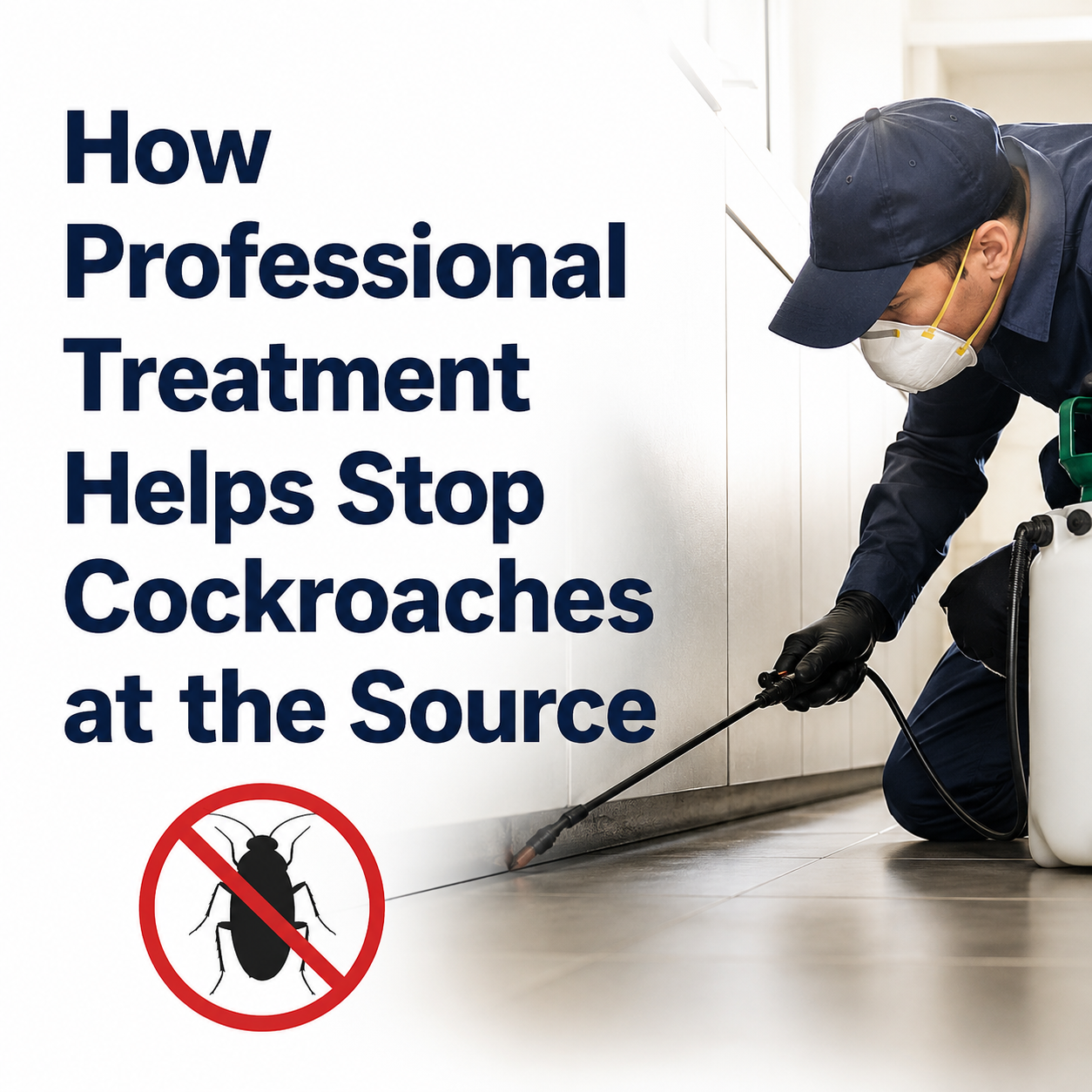
A trained Cockroach Exterminator does more than treat the cockroaches you can see. The goal is to find where they are hiding, understand why they are active, and apply the right treatment to stop the infestation at its source.
Why Cockroaches Are Hard to Remove With Basic Sprays
Cockroaches are difficult to control because they are excellent at hiding. They avoid light, move mostly at night, and can squeeze into very small cracks and gaps. By the time they appear in open areas, there may already be activity behind appliances, inside cupboards, around drains, or within wall voids.
Store-bought sprays usually target visible cockroaches. This can give a quick result, but it may not affect eggs, nests, or hidden harbourage areas. Spraying one cockroach on the floor does not remove the conditions that attracted it in the first place. Food crumbs, grease, leaking pipes, warm appliance motors, and open entry points can continue to support the infestation.
Another issue is that cockroaches may scatter when sprayed. If the treatment is not applied correctly, they may move deeper into cracks or spread into nearby rooms. This can make the problem harder to control over time.
Professional Treatment Starts With Proper Inspection
A professional treatment begins with inspection. This step matters because cockroach activity is not always where homeowners expect it to be. A kitchen may show visible signs, but the main hiding areas could be behind the fridge, inside cabinet joins, under the dishwasher, around plumbing pipes, or near wall gaps.
A technician will look for signs such as droppings, egg cases, shed skins, stains, odours, grease marks, and live activity. They may also check warm, dark, and damp areas because these are common cockroach hiding spots. Bathrooms, laundries, kitchens, pantries, garages, and storage areas are often inspected closely.
This inspection helps identify the source of the infestation. Once the source is found, treatment can be placed in the areas where cockroaches live and travel, rather than only where they are seen.
Targeted Products Reach Hidden Cockroach Activity
Professional cockroach treatment uses targeted products and methods suited to the infestation level. This may include gels, baits, dusts, residual treatments, and monitoring tools. These products are applied in specific areas where cockroaches are likely to feed, hide, or move.
Gel baits are often placed in small cracks, cupboard corners, hinges, appliance gaps, and other hidden zones. Cockroaches feed on the bait and can transfer the effect to other cockroaches in the nesting area. Dust treatments may be used in wall voids or difficult spaces where sprays may not be suitable. Residual treatments can help manage activity along skirting boards, entry points, and movement paths.
A professional Cockroach Exterminator understands where each treatment should be applied. This reduces guesswork and helps the treatment reach the infestation more effectively.
The Source Is Often Linked to Food and Moisture
Cockroaches usually stay where they have access to food and water. Even a clean-looking home can have hidden food sources. Grease behind cooking appliances, crumbs under the fridge, food residue in bins, pet food, open pantry packets, and dirty drains can all support cockroach activity.
Moisture is just as important. Leaking taps, damp cupboards, condensation, wet sponges, slow drains, and poor ventilation can create the right conditions for cockroaches to survive. This is why bathrooms, laundries, and kitchens are common problem areas.
Professional treatment often includes advice on reducing these attractants. The treatment may control the current infestation, but long-term results improve when food and moisture sources are also managed. This may include sealing pantry items, cleaning under appliances, repairing leaks, drying wet areas, and keeping bins closed.
Entry Points Need to Be Found and Managed
Cockroaches can enter through gaps under doors, cracks in walls, damaged fly screens, drains, vents, service openings, and spaces around pipes. In apartments and townhouses, they may also move through shared walls, service ducts, garbage areas, and plumbing spaces.
If entry points remain open, new cockroaches can continue entering even after treatment. This is why professional pest control looks beyond the immediate infestation. A technician may identify gaps, cracks, or access points that need sealing or better maintenance.
Homeowners can support the treatment by repairing door seals, sealing gaps around pipes, fixing damaged screens, and keeping outdoor areas clean. These steps make the home less inviting and reduce the chance of repeat cockroach activity.
Professional Treatment Helps Break the Breeding Cycle
Cockroaches can breed quickly when conditions are suitable. If only adult cockroaches are treated, eggs and younger cockroaches may continue the cycle. This is one reason infestations often return after DIY treatment.
Professional treatment aims to disrupt the breeding cycle by targeting harbourage areas, feeding points, and movement paths. Follow-up treatments may sometimes be needed for heavier infestations, especially if cockroach activity has been present for a long time.
A Cockroach Exterminator can also identify whether the infestation is light, moderate, or severe. This helps decide whether one treatment is enough or whether ongoing monitoring is required.
Why Kitchens and Appliances Need Special Attention
Kitchens are one of the most common cockroach problem areas because they provide warmth, food, and moisture. Appliances such as fridges, ovens, dishwashers, microwaves, and coffee machines can create ideal hiding spaces. Cockroaches may hide near motors, wiring gaps, rubber seals, and warm corners where cleaning is difficult.
This is why surface cleaning alone may not solve the problem. Benches may look clean, but cockroaches can still feed on grease, crumbs, and residue in hidden spaces. Professional treatment focuses on these overlooked areas and applies products where cockroaches are more likely to come into contact with them.
Homeowners should also avoid moving treated baits or cleaning treated cracks too soon. Following aftercare advice helps the treatment continue working properly.
When You Should Call a Professional
Professional help is usually needed when cockroaches keep returning after cleaning or sprays, when activity appears in several rooms, or when cockroaches are seen during the day. Daytime activity can sometimes mean the infestation is larger because cockroaches usually hide when there is light.
A strong smell, frequent droppings, egg cases, or repeated sightings near appliances can also point to a hidden nesting area. If cockroaches are appearing around food areas, children’s spaces, or shared living areas, it is better to act early before the infestation grows further.
Calling a professional early can reduce the amount of treatment needed and help stop the problem before it spreads deeper into the property.
Final Thoughts
Cockroach problems rarely disappear for good when only the visible pests are treated. The real issue is often hidden in cracks, drains, appliances, wall gaps, cupboards, or damp areas. DIY sprays may offer short-term relief, but they often miss the source of the infestation.
Professional treatment works better because it starts with inspection, targets hidden harbourage areas, reduces breeding activity, and identifies the food, moisture, and entry points that allow cockroaches to survive. A qualified Cockroach Exterminator can help treat the problem at its source and reduce the chance of the infestation returning.
For homeowners, the best approach is to combine professional treatment with good cleaning habits, moisture control, sealed entry points, and regular monitoring. This gives the home stronger protection and makes it much harder for cockroaches to settle back in.