
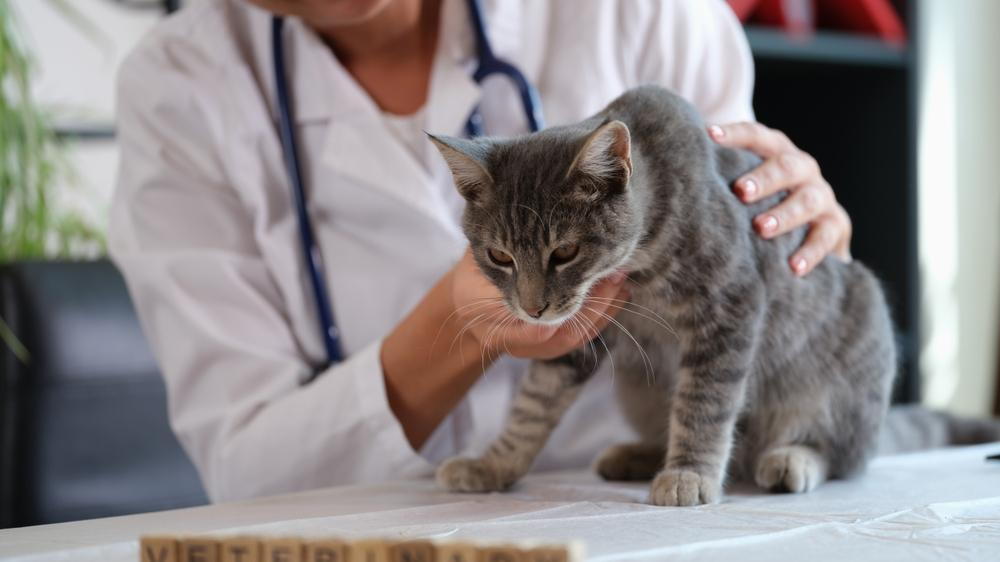
You might be sitting there watching your cat and thinking, “Something just feels off, but I can’t quite explain it.” Maybe they skipped a meal, are hiding under the bed, or made a strange sound in the night that you cannot get out of your head. Before this started, your cat was probably their usual curious, slightly mischievous self. Now you are replaying every small change and wondering if you are overreacting or missing something serious and whether you should call a veterinarian in League City.
That tension is very real. You care deeply about your cat, yet you do not want to rush to an emergency animal hospital every time they act a little differently. At the same time, you do not want to wait too long if something is truly wrong. So where does that leave you?
Here is the short version. There are three big warning signs that should always make you think “urgent vet visit” rather than “wait and see.” Those are trouble breathing, sudden changes in alertness or behavior, and serious problems with eating, drinking, or using the litter box. When any of these show up, especially if they appear suddenly or in combination, it is time to treat them as an emergency and seek care as quickly as you can.
How do you know when “acting weird” means a real emergency?
One of the hardest parts of caring for a cat is that they are experts at hiding pain. In the wild, showing weakness makes an animal a target. Your cat carries that instinct, so by the time you notice something is wrong, they may have been uncomfortable for a while.
Because of this, you might find yourself second-guessing everything. Is that extra nap just normal cat behavior, or is it a sign of illness? Is skipping one meal harmless, or a sign that something is seriously wrong? The fear of missing an emergency can be just as stressful as the emergency itself.
To make this more manageable, it helps to focus on a few “red flag” signs that almost always mean you should seek urgent help. You can think of them as a short mental checklist when you are worried about your cat’s health.
Sign 1: Is your cat struggling to breathe or breathing differently?
Breathing problems are one of the clearest reasons to seek emergency care right away. A cat who cannot breathe comfortably is in immediate danger, and this is not something to monitor at home.
Watch for things like:
• Open mouth breathing or panting when your cat is not hot or stressed.
• Fast, shallow breaths while resting.
• Flared nostrils, wide eyes, or a panicked look.
• Breathing with the elbows pushed away from the body or the neck stretched out.
• Blue or gray gums or tongue.
Imagine your cat suddenly hiding, breathing fast, and refusing to lie down. You might hope they just got scared by a noise, but if this does not settle quickly, it can signal heart disease, asthma, fluid around the lungs, or another serious condition. In that moment, waiting can cost precious time. This is one of those situations where going to an urgent or emergency clinic is always the safer choice.
Sign 2: Has your cat’s behavior or awareness changed suddenly?
You know your cat’s personality better than anyone. When that personality changes fast, it can be a sign that their brain, circulation, or overall system is under stress. This kind of change is different from a gradual slowing down with age. It often looks sudden and strange.
Watch for:
• Sudden collapse, weakness, or inability to stand.
• Seizures, twitching, or “spacey” staring spells.
• Walking in circles, head tilting, or stumbling like they are drunk.
• Extreme agitation, yowling, or aggression that is out of character.
• Being unresponsive when you call their name or touch them.
For example, if your usually gentle cat suddenly bites when you touch their side, then hides and seems confused, this can be more than just a “bad mood.” It can be pain, a toxin, a blood clot, or another emergency. These changes can be frightening to watch, and that fear is valid. The safest move is to treat sudden, dramatic behavior changes as urgent until a veterinarian says otherwise.
Sign 3: Is your cat not eating, vomiting, or having litter box trouble?
It is easy to shrug off a missed meal or a hairball, because every cat skips food once in a while or vomits occasionally. The problem is that in cats, even “small” issues with eating, drinking, and bathroom habits can escalate fast.
Pay close attention if you notice:
• No interest in food for 24 hours, or a sudden refusal to eat favorite treats.
• Repeated vomiting, especially if there is foam, blood, or foreign material.
• Straining in the litter box with little or no urine coming out.
• Crying, licking the genital area, or going to the box over and over without success.
• A swollen belly, painful abdomen, or obvious discomfort when touched.
Here is why this matters. Cats that stop eating can develop liver problems in just a few days. Male cats that cannot urinate can become critically ill within hours. And vomiting can mean anything from eating something irritating to a blockage that needs surgery.
Certain foods and household items can also trigger sudden illness. If you suspect your cat got into something they should not have, such as toxic foods, reviewing a trusted list of foods unsafe for pets can help you decide how urgent the situation might be. When in doubt, assume it is serious and reach out to a veterinary professional.
How do home monitoring and urgent care compare when your cat is sick?
When you notice one of these signs, you may feel stuck between two choices. Do you watch and wait at home, or head straight to urgent care? The table below can help you weigh those options in a clear way.
| Situation | Home Monitoring | Urgent or Emergency Visit |
|---|---|---|
| Mild change in appetite, still playful | Offer favorite food, monitor for 24 hours, track water intake | Usually not needed unless other symptoms appear |
| No food intake for 24 hours or more | Risky. Waiting longer can harm the liver | Recommended. Cats should rarely go more than a day without eating |
| One small vomit, cat otherwise normal | Withhold food briefly, then feed a small meal, watch closely | Needed if vomiting repeats or other signs appear |
| Repeated vomiting or vomit with blood | Not safe to manage alone | Emergency visit strongly recommended |
| Straining to urinate, little or no urine | Do not wait at home | True emergency. Can become life-threatening in hours |
| Breathing fast, open mouth breathing, blue gums | Home monitoring is unsafe | Immediate emergency care required |
| Mild, gradual behavior change over weeks | Record changes, schedule a regular vet visit | Urgent visit if change suddenly worsens |
If you ever feel unsure which column your situation fits into, remember that a quick call to a veterinary clinic or emergency cat hospital can give you guidance tailored to your cat’s condition.
What can you do right now if you are worried about your cat?
When you are scared, having a clear plan can calm your mind and help you act quickly. Here are three concrete steps you can take.
1. Check the three big signs calmly and safely
Take a slow breath first. Then look for the three emergency signs. Breathing problems. Sudden behavior or awareness changes. Serious issues with eating, vomiting, or the litter box. Observe from a short distance at first. If your cat is painful or scared, they might scratch or bite if handled suddenly.
Make brief notes on what you see and when it started. For example. “Started vomiting at 4 pm, three times in two hours, now hiding under the couch.” This simple record is very helpful for the veterinary team.
2. Call a veterinary clinic or emergency service before you travel
If any of the three big signs are present, or if your gut tells you something is very wrong, call an animal hospital or emergency clinic. Describe your cat’s symptoms and your notes. They can tell you how urgent it is, whether to come in right away, and how to transport your cat safely.
If your cat has ongoing health issues, sudden changes in those conditions can also be emergencies. Trusted resources on your cat’s health can help you understand what is normal for chronic problems and what needs fast attention.
3. Prepare a simple “emergency kit” for future peace of mind
Even if this moment turns out not to be a true emergency, you can reduce stress next time by preparing now. Keep a carrier ready with a soft towel inside. Write down the phone numbers and addresses of your regular veterinarian, the nearest 24-hour clinic, and a taxi or ride service that allows pets.
Store your cat’s medical history, medications, and any known allergies in one place. Include a short list of safe care basics, such as guidance from a reliable source on general cat care. When something scary happens, you will not have to search for information or supplies. You can just act.
Where does this leave you when you are worried and unsure?
Caring for a cat means living with some uncertainty. You will never be able to control everything that happens to your body, yet you can control how prepared you are and how quickly you respond when warning signs appear.
Whenever you see trouble breathing, sudden changes in awareness or behavior, or serious problems with eating, vomiting, or the litter box, treat those as clear signals. Your cat may need an urgent visit to a veterinary animal hospital. Trust that concern. You are not being dramatic. You are being a responsible guardian.
You do not have to have all the answers before you reach out for help. Your role is to notice, to care, and to act when something feels wrong. From there, a veterinary team can guide you the rest of the way.