
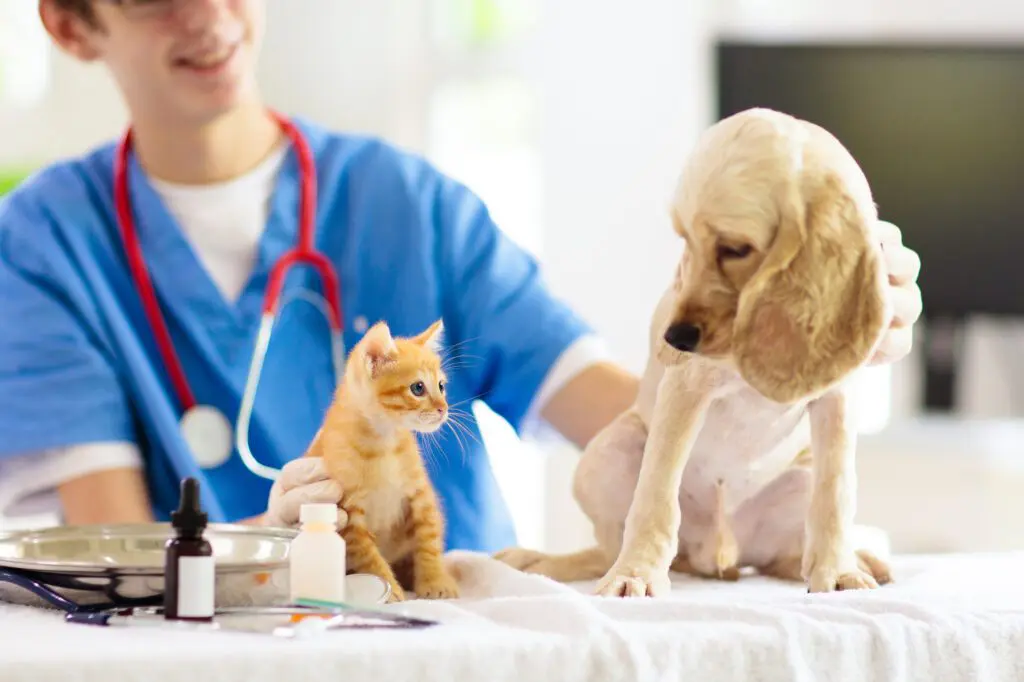
You might be reading this with a knot in your stomach. Maybe your pet just had a health scare that came out of nowhere, or you are searching for a trusted Lower Sackville, NS veterinary clinic, or you are staring at a vet bill wondering if some of this could have been avoided. You love your animal, you are trying to do the right thing, and yet it can feel like you are always reacting, never really ahead of the problems.end
That feeling is more common than you think. Many pet owners only really get to know an animal hospital when something is urgent. A limp. A sudden cough. Vomiting at night. Because of that, it is easy to see an animal hospital as a place for emergencies instead of a partner in keeping your pet healthy in the first place.
Here is the quiet truth. The real power of animal hospitals is in preventive medicine. Regular checkups, vaccines, bloodwork, parasite prevention, and early screening can spare your pet a lot of pain and often save you money and heartache over time. You move from constantly putting out fires to calmly lowering the chances that fires start at all.
So where does that leave you today. It means you have more control than you might feel right now, and with a bit of guidance, your pet’s care can shift from crisis mode to a steady, protective routine.
Why do problems seem to appear “out of nowhere” with pets?
One of the hardest parts of loving an animal is that they cannot tell you when something feels a little off. By the time you notice limping, weight loss, bad breath, or changes in behavior, the issue may already be advanced. That is not because you are careless. It is because animals are very good at hiding discomfort.
Imagine a senior cat who sleeps a bit more and jumps a bit less. That can look like “just aging” when in reality arthritis or kidney disease might be brewing quietly in the background. Or think about a dog who has never missed a meal, until one day you find out he has severe dental disease and needs extractions. From your side it feels sudden. Inside their body, it has been building for months or years.
This tension between what you can see and what is actually happening is exactly where preventive veterinary medicine lives. Regular visits give your veterinarian a chance to pick up the subtle changes you cannot see at home.
How do animal hospitals protect your pet before they get sick?
At their best, animal hospitals are not just “fix it” centers. They are prevention partners. The connection between animal hospitals and preventive care shows up in a few key ways.
First, routine wellness exams create a baseline. A healthy pet visit is not just a quick look and a vaccine. It is a chance to track weight, body condition, heart and lung sounds, teeth, eyes, ears, and behavior over time. When something starts to drift from that baseline, your vet can act early.
Second, vaccines and parasite prevention quietly protect your pet all year long. Vaccines reduce the risk of serious diseases like rabies, parvovirus, and distemper. Parasite control lowers the chance of fleas, ticks, and internal worms that can affect both your pet and your family. The Centers for Disease Control and Prevention shares clear guidance on why keeping pets healthy helps protect people too, especially children and those with weaker immune systems, in their resource on staying healthy around pets.
Third, bloodwork and screening tests catch silent problems. Kidney disease, liver disease, thyroid issues, diabetes, and early heart disease often show up in lab work before obvious symptoms appear. In many cases, catching something early means simpler treatment and a better long term outlook.
Because of all this, you might wonder whether this kind of preventive care is really worth the cost or if it is just “nice to have.” That is a fair question.
Is preventive care at an animal hospital really worth it?
On the emotional side, preventive care spares your pet from suffering you never see. A dog on good parasite prevention does not have to struggle with itchy flea bites. A cat with early dental care does not have to live with constant mouth pain. You avoid those nights of panic, racing to emergency care, wondering if you missed something.
On the financial side, the math often favors prevention. The cost of yearly exams, vaccines, and parasite preventives is usually far less than the cost of a hospital stay for parvovirus, heartworm treatment, or emergency surgery caused by advanced disease. For example, the FDA explains that heartworm disease is transmitted by mosquitoes, affects the heart and lungs, and is much more expensive and risky to treat than it is to prevent. You can see the details in their guide on keeping worms out of your pet’s heart.
There is also the practical side of planning. Many animal hospitals follow or adapt evidence based wellness guidelines. The Ohio State University Veterinary Medical Center, for instance, offers structured healthy pet guidelines by age and lifestyle. These kinds of plans make preventive medicine feel less random and more like a clear roadmap through your pet’s life stages.
How does preventive care compare to “wait and see” care?
You may still feel torn between doing everything proactively and managing a real world budget. It can help to see the tradeoffs clearly.
| Approach | What it looks like | Short term impact | Long term impact |
|---|---|---|---|
| Preventive care through an animal hospital | Regular exams, vaccines, parasite prevention, screening tests based on age and risk | Predictable yearly costs. Occasional extra tests for early concerns. | Lower risk of severe disease. Fewer emergencies. Better comfort and quality of life for your pet. |
| “Wait and see” or crisis only care | Visits only when your pet is obviously sick or injured | Lower costs in quiet periods. More anxiety about missing something. | Higher chance of advanced disease, emergencies, and larger sudden bills. More pain and risk for your pet. |
Most families land somewhere in the middle. The goal is not perfection. The goal is to use the connection between your local animal hospital and preventive pet care to reduce avoidable suffering and surprise costs as much as your situation allows.
What can you do right now to protect your pet’s future health?
You do not have to overhaul everything at once. A few focused steps can make a real difference.
1. Schedule a true wellness visit, not just a quick shot appointment
If your pet has not had a full exam in the last year, call your veterinarian and ask for a wellness visit. During that appointment, tell the vet what you notice at home. Changes in thirst, appetite, weight, energy, or bathroom habits all matter, even if they seem small.
Ask specific questions such as “What screenings do you recommend for my pet’s age and breed” and “What are the top two things I can do at home between visits to support their health.” This turns a routine check into a shared plan.
2. Build a simple preventive calendar for your pet
Preventive care is easier when it is written down. Use your phone or a paper calendar to track when vaccines are due, when to refill flea, tick, and heartworm prevention, and when the next exam should be. Many animal hospitals will print or email a schedule for you if you ask.
Try to align refills and visits with your pay cycles or quieter times of year, so costs feel less overwhelming. You can also ask your clinic if they offer wellness plans or payment options that spread preventive care costs out over the year.
3. Watch for quiet changes and speak up early
You know your pet’s normal better than anyone. If they start hiding more, slowing down, breathing heavier, eating less, or acting “just off,” do not ignore it. Call your vet and describe what you see. Early conversations often lead to smaller, more manageable steps instead of big emergencies.
This is where preventive veterinary medicine and your daily life meet. You do not need medical training. You only need to notice changes and be willing to ask for help sooner rather than later.
Moving from worry to partnership with your animal hospital
If you feel guilty about the past or worried you have not done enough, take a breath. You are paying attention now, and that already shifts the story. The connection between animal hospital preventive care and your pet’s long term comfort is real, but it only works when it fits your real life, budget, and capacity.
You do not have to be perfect. You just need a partner. Reach out to your trusted animal hospital, schedule a wellness visit, and start a conversation about what is realistic and protective for your pet. One thoughtful step at a time is more than enough to move from constant worry toward steady, grounded care.