You might be staring at your pet right now, watching them limp, struggle to get comfortable, or just not act like themselves, and wondering how things got here so fast. One day they were racing around the house, and now you are talking with a veterinarian in South Houston, TX about “advanced surgery,” anesthesia, and recovery times. It feels like a lot, and it is.end
Because of this, you might be torn between fear of doing too much and fear of not doing enough. You worry about pain, about risks under anesthesia, about cost, and about whether your pet will still feel like “themselves” afterward. At the same time, you want to give them every real chance at a longer, more comfortable life.
That is where advanced surgical services in animal hospitals can quietly change the story. These procedures often mean smaller incisions, better pain control, safer anesthesia, and a smoother recovery. They are not about doing “more” for the sake of it. They are about doing what needs to be done in a smarter, gentler way for your pet.
So, if you are feeling overwhelmed, the short version is this. Modern surgical care can reduce your pet’s pain, lower certain risks, help them heal faster, and give you better information and support along the way. The rest of this page simply unpacks how and why, so you can decide what feels right for your animal and for your family.
Why does choosing advanced surgery for your pet feel so hard?
It often starts with something small. A limp that comes and goes. A lump that “is probably nothing.” A stomach upset that returns one time too many. Your veterinarian runs tests, maybe takes some X rays, and then uses a word that makes your chest tighten. Surgery.
That word brings a wave of questions. Will my pet be in pain. How risky is the anesthesia. Can I afford this. What if I wait and see. You might also have a picture in your mind of old style surgeries with long incisions and long hospital stays, and that picture can be frightening.
The hard part is the uncertainty. You love your pet, you want to act, but you also do not want to expose them to unnecessary risk. Because of this tension, you might wonder if advanced options like minimally invasive surgery or specialized orthopedic procedures are truly worth it, or if they are just “extra.”
Here is the nuance. Traditional surgery can still be very appropriate in many cases. Advanced techniques are not about saying everything old is bad. They are about giving you and your veterinarian more tools, so the approach can be tailored to your pet’s age, condition, and lifestyle.
How do advanced surgical techniques actually help your pet?
To make this real, imagine a dog with a torn cruciate ligament in the knee. Years ago, the options were more limited. Larger incisions were common. Recovery could be slower and more painful. Now, in many animal hospitals, orthopedic surgeons can use more refined techniques and sometimes smaller approaches that stabilize the joint more effectively and protect long term function.
Or think about a cat with a suspicious mass in the abdomen. Where a large open surgery might once have been the only option, many hospitals can now offer minimally invasive procedures. Through small incisions, using cameras and special instruments, surgeons can explore, biopsy, and sometimes treat the problem with less disruption to the rest of the body. The University of Florida’s program in minimally invasive surgery for small animals is just one example of how this approach is being used.
So, where does that leave you. It helps to look at some of the specific benefits that often come with advanced veterinary surgery services.
1. Smaller incisions and less trauma to healthy tissue
Many advanced procedures, including arthroscopy and laparoscopy, use tiny incisions and cameras. Less cutting of healthy tissue usually means less bleeding, less swelling, and less pain. Pets often move more comfortably sooner, which supports better recovery.
2. Better pain control and more stable anesthesia
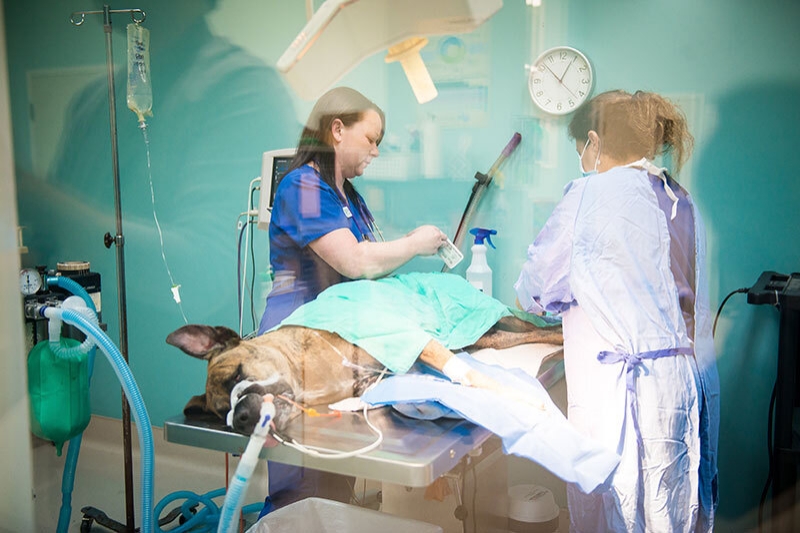
Modern anesthesia is far more precise than it used to be. Veterinary teams now use multi modal pain control, combining different types of pain relief to keep doses safer and side effects lower. They also follow structured anesthesia and monitoring guidelines, like those outlined by AAHA in their anesthesia and monitoring recommendations for dogs and cats. This kind of planning helps protect your pet’s heart, lungs, and blood pressure while they are asleep.
3. More accurate diagnosis and targeted treatment
Advanced imaging and minimally invasive tools allow surgeons to see exactly what is happening inside a joint or body cavity. That means fewer surprises and more targeted treatment. In some cases, the surgeon can treat the problem during the same procedure used to diagnose it, which saves your pet from multiple surgeries.
4. Faster recovery and a quicker return to normal life
Because there is often less tissue trauma and better pain control, many pets go home sooner and start gentle activity earlier. That does not mean skipping rest or rehab. It means that the healing process can feel smoother, with fewer days of heavy sedation or extreme discomfort.
5. Stronger long term outcomes and quality of life
The goal is not just to get your pet through surgery. The goal is to give them as much comfortable, active time with you as possible. Advanced techniques in an animal hospital surgery service can stabilize joints more effectively, remove disease more cleanly, and reduce certain complications. Over time, that can mean better mobility, fewer flare ups, and a more stable quality of life.
How do the risks and benefits really compare in everyday situations?
It can help to move from theory to something more concrete. You are not just choosing a procedure. You are choosing an experience for your pet and for yourself.
The table below highlights some common differences you might see between more traditional open surgery and advanced or minimally invasive options in a typical small animal hospital. Every case is unique, but these are patterns many veterinarians observe.
| Aspect | Traditional Open Surgery | Advanced / Minimally Invasive Surgery |
|---|---|---|
| Incision size | Larger incision over the surgical area | Small “keyhole” incisions using cameras and fine instruments |
| Pain and soreness | Often more post operative soreness and swelling | Usually less soreness due to less tissue disruption |
| Hospital stay | May need a longer stay for monitoring and pain control | Often home sooner with careful at home monitoring |
| Diagnostic accuracy | Good, but sometimes less precise visualization of small areas | High, with magnified internal views and targeted biopsies |
| Cost | Lower up front in some cases | Can be higher due to equipment and training |
| Long term function | Good when surgery and rehab go well | Often excellent, with better joint preservation and mobility in many cases |
Seeing the comparison, you might still feel the weight of the decision, but at least you have a clearer sense of what you are choosing between. The right answer is the one that balances your pet’s medical needs with your emotional and financial reality.
What can you do right now to make a safer, clearer choice?
In moments like this, action can calm some of the fear. You do not have to decide everything today, but there are concrete steps that will make the path clearer.
1. Ask detailed questions about the procedure and alternatives
Invite your veterinarian to walk you through the options. Ask what specific technique they recommend and why. Ask whether minimally invasive or other advanced approaches are available, and if not, whether a referral to a specialty hospital makes sense. Request that they explain the goals of surgery, the major risks, and what success will look like for your particular pet.
2. Clarify the anesthesia and pain management plan
Surgery is only as safe as the anesthesia and monitoring that support it. Ask who will monitor your pet while they are under anesthesia. Ask what equipment is used for tracking heart rate, blood pressure, and oxygen. Talk through the pain control plan, including what will be given during surgery and what you will use at home. You are not being difficult. You are being a good advocate.
3. Plan for recovery before surgery day
Think ahead about where your pet will rest, how you will manage stairs, and whether you need to crate or confine them for a while. Ask if physical therapy or specific exercises will be part of recovery. Line up any time off work or extra help you might need. When you prepare in advance, you protect the benefits of advanced surgery by giving your pet the best possible chance to heal.
Moving forward with more confidence and less fear
You may still feel nervous, and that is completely normal. You are being asked to make a big decision for a family member who cannot speak for themselves. That weight is real.
At the same time, you now know that advanced surgical care for pets is not just about high tech tools. It is about smaller incisions, stronger pain control, safer anesthesia, clearer diagnoses, and better long term comfort. It is about giving your pet a chance not only to survive, but to enjoy their days with you.
Take a breath. Gather your questions. Talk openly with your veterinary team. With good information and a clear plan, you can choose the path that fits your pet and your life, and you can walk into surgery day with a little less fear and a lot more clarity.