
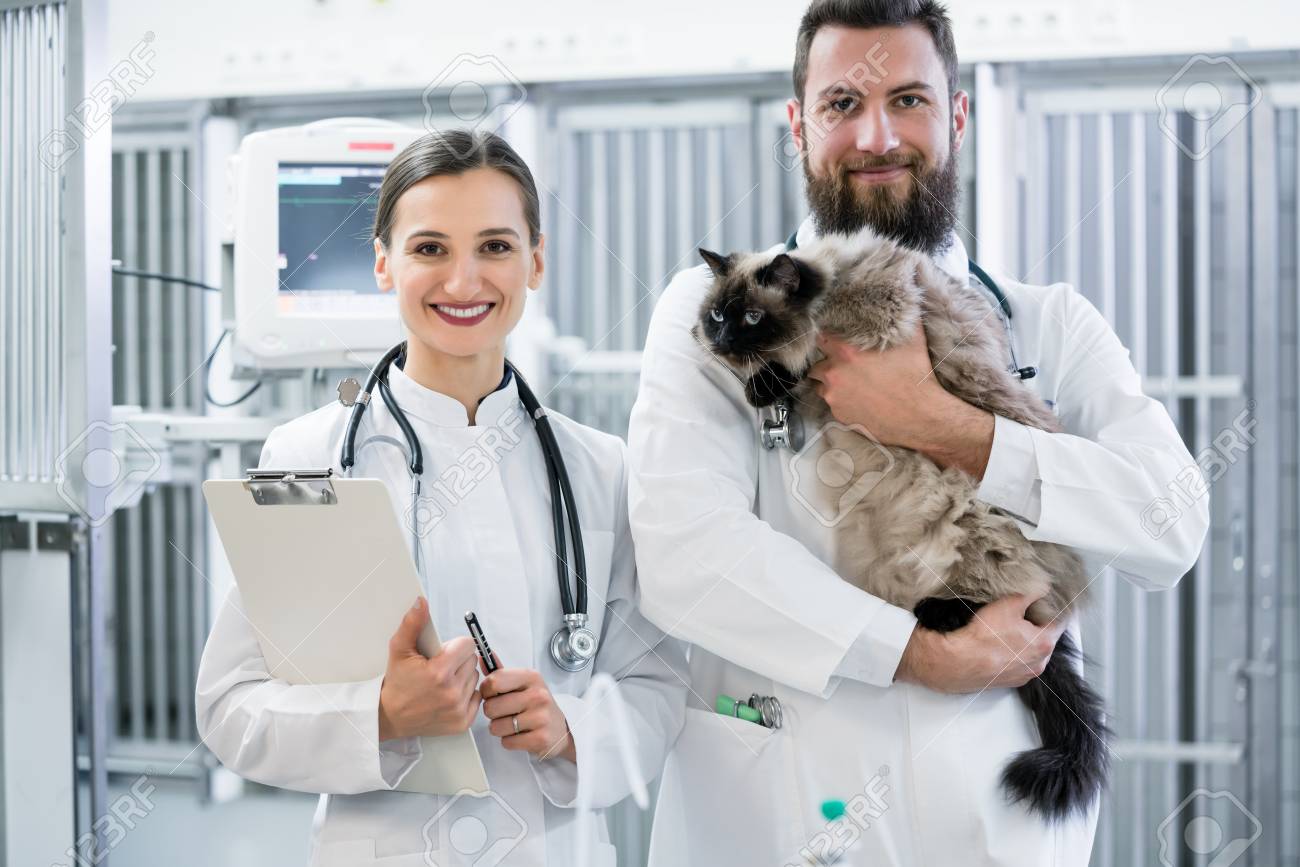
You might be looking at your pet snoozing on the couch and wondering how a place like a veterinary hospital or a veterinarian in Gainesville, FL could possibly affect something as big as public health. After all, you just want your dog’s itchy skin sorted out or your cat’s vaccines updated. It can feel like two separate worlds. Your home and your pet on one side, and hospitals, outbreaks, and public health alerts on the other.end
Because of that gap, it is easy to underestimate how much your veterinarian and your local veterinary hospital quietly protect not only your animals, but you, your family, and your community. The short version is this. Healthy animals often mean healthier people. Veterinary teams sit on the front line where animal health, human health, and the environment meet, and the choices made in that exam room can ripple far beyond a single appointment.
So where does that leave you as a pet owner or animal caretaker. It leaves you with more influence than you might think. Understanding why veterinary hospitals matter for public health can help you make smarter decisions, ask better questions, and feel less helpless when you hear about new diseases or outbreaks in the news.
How did caring for one pet become a public health issue?
It usually starts very small. Maybe your dog comes home from a walk and seems a bit off. A low fever, not eating much, just “not right.” You watch and wait. You google. You worry. Do you go in now or see how things look tomorrow. At first, it feels like a private problem, just between you and your pet.
Now imagine this same dog has picked up a tick carrying a disease that can affect both animals and people. Or imagine a new strain of flu in dogs that spreads easily in dog parks, kennels, and clinics. What begins in one household can grow into something that touches many. That is where veterinary hospitals step in, often long before public health authorities ever see a pattern.
According to the CDC, more than 6 out of every 10 known infectious diseases in people can be spread from animals, and a large share of new or emerging diseases come from animals as well. These are called zoonotic diseases, and they are a core part of what public health experts describe as the connection between animal and human health. When your veterinarian checks your pet, gives vaccines, and talks with you about parasite prevention, they are not only protecting your animal. They are closing doors that diseases use to move from animals to people.
Because of this, veterinary hospitals are often among the first to notice unusual patterns. A cluster of dogs with similar respiratory signs. Cats with unusual neurologic symptoms. Backyard chickens with sudden deaths. When they report and investigate these patterns, they feed crucial information into public health systems that track and contain disease.
What specific problems are veterinary hospitals quietly solving for you and your community?
To really appreciate the public health role of veterinary hospitals, it helps to look at the everyday challenges they help you manage, even if you do not see them that way at first.
First, there is the emotional strain. When your animal is sick, your world narrows quickly. You worry about pain, about cost, about whether you are missing something serious. If someone mentions “this could spread to people,” your worry shifts from the pet you love to your children, your aging parents, or an immunocompromised family member. That is a heavy mental load.
Then there is the financial side. Preventive care like vaccines and parasite control can feel optional when money is tight. You might think you can skip a year and catch up later. The trouble is that skipping prevention can open the door to illnesses that are more expensive to treat and that may carry public health risks. Rabies exposure, for example, does not just lead to a vet bill. It can involve human medical treatment, quarantine, and serious legal obligations.
Speaking of legal issues, certain diseases trigger specific rules. Bites that break the skin, especially from animals with unknown vaccination status, must often be reported. Some infectious diseases require quarantine or even euthanasia by law. Veterinary hospitals help you navigate these rules, not to scare you, but to keep everyone safe and to make sure you are following the law without panicking or overreacting.
So what is the solution to all this tension. It is not to live in fear of every sneeze or scratch. It is to use veterinary hospitals as partners in prevention and early detection. The CDC offers a range of clinical resources for veterinarians, which your vet uses to stay current on emerging diseases, vaccination guidelines, and best practices. When you show up, ask questions, and follow through on their advice, you are plugging yourself into that larger protective network, even if it just feels like “a quick checkup.”
One clear example came during the COVID-19 pandemic. Research has shown that while some animals could be infected, their role in spreading the virus was quite limited. Veterinary hospitals helped monitor and report these cases, which helped scientists and public health agencies understand the real level of risk. That kind of monitoring, described in studies such as peer reviewed research on coronaviruses and public health, guided practical advice so people did not abandon pets out of fear or ignore legitimate concerns.
Should you rely on “common sense” or on veterinary care when public health is at stake?
Many people try to balance instinct, online advice, and professional care. You might wonder where the line is between “take care of this at home” and “call the vet now.” When public health is part of the picture, the trade offs become even more important.
The table below compares common do it yourself choices with involving a veterinary hospital when there could be a public health impact.
| Situation | DIY / Wait and See | Veterinary Hospital Involvement |
|---|---|---|
| Dog or cat bite that breaks the skin | Clean at home, hope it heals, no report | Document vaccination status, advise on rabies risk, guide on reporting and quarantine rules to protect people |
| Skipping yearly rabies and core vaccines | Save money now, increased legal and health risk if exposure happens | Maintain up to date vaccines that protect your pet and reduce risk to family and community |
| Fleas, ticks, or worms in pets | Over the counter products, inconsistent dosing, possible resistance or misuse | Targeted parasite control that reduces zoonotic disease risk such as Lyme, roundworms, and others |
| Unusual clusters of illness in pets | Owners treat individually, patterns go unnoticed | Veterinary teams notice trends, report to public health, and help contain outbreaks earlier |
| New disease in the news | Rely on social media or rumors, anxiety and confusion | Evidence based guidance from veterinary and public health partnerships that clarifies real risks |
When you look at these side by side, you can see how a simple choice, such as calling a veterinary hospital instead of waiting, often protects more than one life. It protects your pet, but it also shields your household and quietly supports the wider system that keeps communities safer.
What can you do today to support both your pet’s health and public health?
You do not need a medical degree or a background in epidemiology to make good choices here. You just need a few clear habits and the willingness to see your pet’s care as part of a larger picture of animal health and public health.
1. Keep vaccines and parasite prevention current
Start with the basics. Ask your veterinary hospital to review which vaccines your pet truly needs based on species, lifestyle, and local risk. Rabies protection is especially important because it affects legal status and human safety. The same goes for flea, tick, and worm control. Instead of guessing with over the counter products, work with your vet to choose something safe and effective, then stick to the schedule. This one habit cuts down a large portion of common zoonotic risks.
2. Speak up about unusual signs or patterns
If your pet is sick, describe not only the symptoms, but also any travel, contact with other animals, wildlife exposure, or changes at home. If several animals in your area seem ill in a similar way, mention that too. Veterinary hospitals use these details to spot early warning signs that a single household might miss. You are not “bothering” anyone. You are adding pieces to a puzzle that could matter for your community.
3. Treat your vet as a partner in family health, not just pet health
When your veterinarian asks about who lives in your home, they are not being nosy. They are thinking about the toddler who puts everything in their mouth, the grandparent with a fragile immune system, or the pregnant person who might face higher risk from certain infections. Share these details and ask direct questions. For example, “Is there anything about my pet’s condition that I should worry about for my kids” or “What should I tell my doctor about this exposure.” This kind of open conversation helps align your pet’s care with your family’s health and with broader public health goals.
Why your choices with veterinary hospitals matter more than you think
It is easy to see a veterinary appointment as just another errand on a long list, especially when life is busy and money is tight. Yet every time you walk through those clinic doors, you are doing more than looking after one animal. You are supporting a system that tracks disease, prevents outbreaks, and keeps families safer, often without any headlines or fanfare.
When you stay current on care, ask questions, and treat your veterinary team as partners, you strengthen that system. You reduce the chance that a preventable disease will hurt your pet or someone you love. You also help protect vulnerable people in your neighborhood who might never meet your pet, but who benefit from lower disease circulation in animals around them.
You do not have to carry the weight of public health on your shoulders. You simply have to recognize that your choices about veterinary care sit inside a larger story. By choosing a strong relationship with your animal hospital, you give your pet comfort, you gain peace of mind, and you quietly support the health of the world right outside your front door.