You might be feeling a quiet worry in the back of your mind every time your pet does something even slightly unusual. A skipped meal. A new lump. A day when your usually playful dog just seems tired. You may be searching online at night, trying to guess what is serious and what is “just one of those things.” It is exhausting to love an animal who cannot tell you in words what hurts. Luckily, you have found Long Beach animal hospital who will help you to understand you pets needs.
Because of this tension, you might wonder where a general veterinarian truly fits in. Is it just about shots and yearly checkups, or is there more to it? The short answer is that a trusted general veterinarian quietly holds together almost every part of your pet’s health. From early detection of disease, to behavior questions, to keeping your family safe from illnesses that pass between pets and people, they are often the first and most important line of support.
This means everyday care is not just “routine.” It is where problems are caught early, money is saved over time, and you get some peace of mind back. You do not need to become a medical expert. You just need the right partner.
Why does everyday pet care feel so confusing?
It often starts with something small. Your cat is drinking a bit more water. Your dog’s breath smells worse than usual. Life is busy, so you tell yourself you will watch it for a while. A few weeks pass. Now you are not sure if you are overreacting or waiting too long. That pressure builds because you do not want to ignore a real problem, yet you do not want to spend money on “nothing.”
This is the “before” moment for many pet owners. There is love and concern, but also uncertainty and guilt. You may worry about the cost of vet care, or feel embarrassed that you waited. You may have had a rushed appointment in the past, where you left with more questions than answers.
So, where does that leave you? Usually caught between Google searches, advice from friends, and your own instincts, trying to guess what your pet needs. That is a heavy load to carry on your own.
What does a general veterinarian actually do for everyday care?
This is where the story shifts. A strong relationship with a primary care vet changes the entire picture. Instead of reacting in panic when something seems wrong, you have someone who already knows your pet’s history, habits, and risks. That familiarity is powerful.
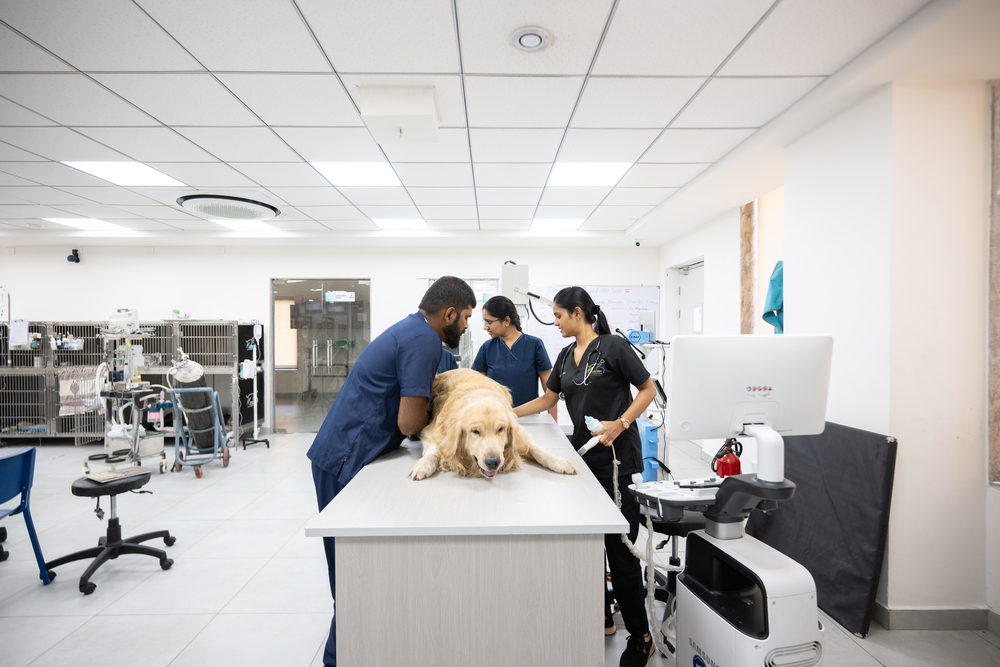
At the most basic level, a general vet service covers things like exams, vaccines, parasite prevention, diet advice, and dental care. It sounds simple on paper. In reality, those visits are often where serious issues are first uncovered. During what feels like a “routine” exam, a veterinarian might catch a heart murmur, early kidney disease, dental infections, or subtle weight changes that point to something bigger.
Everyday pet care also protects your whole household. Organizations like the CDC remind us that some diseases and parasites move between pets and people. Good hygiene, parasite control, and regular vet visits all lower those risks. If you are curious about how pet health and human health connect, the CDC offers helpful guidance on pets and disease prevention.
General veterinarians also help with behavior and quality of life. A dog who suddenly starts growling may be in pain. A cat who stops using the litter box might have a urinary problem, not a “bad attitude.” Your vet can separate medical causes from behavior training needs, so you are not punishing a pet who is actually hurting.
What happens when general care is delayed or skipped?
When life gets busy, or money feels tight, it is tempting to put off regular checkups. You are not alone in that. Many people wait until there is a crisis. The hard part is that by the time a problem is obvious, it is often more serious and more expensive.
Imagine a dog who misses yearly exams for a few years. During that time, slow changes in weight and energy are easy to brush off as “aging.” When the dog finally sees a vet, blood work shows advanced kidney disease that could have been managed earlier. Or think of a cat with silent dental pain for years. By the time the problem is clear, several teeth need to be removed.
On the other hand, regular visits may feel like a cost now, but they often prevent larger bills later. Routine vaccines and parasite control help avoid emergencies from preventable infections. The American Veterinary Medical Association has straightforward guides on general pet care basics that show how much can be managed with steady, simple habits.
There is also your own emotional cost. Waiting until things are urgent often means rushed choices, middle-of-the-night clinics, and the terrible feeling that you “should have seen it sooner.” A connected relationship with a general vet does not erase all risk, but it does give you a calmer, more informed way to make decisions as your pet ages.
Is it better to manage things yourself or lean on a general veterinarian?
It is natural to try some things at home. You might change food, clean a wound, or search for answers online. The question is not whether you should care for your pet yourself. Of course you will. The question is when home care is enough and when professional care protects your pet and your wallet.
| Situation | DIY / At-Home Approach | General Veterinarian Approach |
|---|---|---|
| Minor stomach upset after a known food change | Short fasting, water, bland diet, watch closely | Check if symptoms repeat, rule out parasites or chronic disease, adjust long-term diet |
| New lump on your dog or cat | Measure and watch, search online, worry in silence | Physical exam, needle sample if needed, early diagnosis when treatment is more effective |
| Preventing fleas, ticks, and worms | Over-the-counter products, home remedies of uncertain safety | Weight-based prescriptions, timing plan, advice based on local disease risks |
| Behavior changes like hiding, growling, or accidents | Scolding, guessing, possible delay of care | Check for pain or illness, then behavior plan that matches your pet’s health |
| Protecting your family from pet-related illness | Basic cleaning and hand washing | Vaccines, parasite checks, and guidance backed by public health research, such as the CDC’s overview of healthy pets and people |
The pattern is clear. Home care has a place, especially for small, short-lived issues. A general veterinarian steps in when patterns repeat, when symptoms are strong, or when you feel that nagging sense that “something is not right.”
Three practical steps you can take today
1. Set up a consistent wellness schedule
If your pet has not had a full exam in the last year, that is the first step. For seniors or pets with chronic issues, every six months is often better. Add these visits to your calendar like you would your own checkups. Ask your vet to outline which vaccines, tests, and parasite preventives your pet truly needs, based on age, lifestyle, and local risks. This turns scattered visits into a clear, steady plan.
2. Start a simple health journal for your pet
You do not need anything fancy. A notebook or a note on your phone is enough. Record changes in appetite, water intake, weight, litter box use, energy, new lumps, coughing, or limping. Bring this to each appointment. It helps your veterinarian see patterns you might not notice day to day, and it makes you feel more prepared instead of flustered during the visit.
3. Decide your “red flag” rules in advance
Talk with your general vet about which signs mean “call now” for your specific pet. For example, no urine in 24 hours for a cat, repeated vomiting, collapse, or trouble breathing are often urgent. Having this list written down removes guesswork when you are scared. You can also ask about which issues are safe to monitor at home for a day or two. Clear rules lower panic and help you act with confidence.
Moving forward with more confidence and less fear
Caring deeply for an animal will always come with some worry. That is part of loving a creature who cannot speak. You will still have nights where you watch them sleep and wonder if they are truly okay. The difference is that with a strong relationship with a general veterinarian, you are no longer carrying that worry alone.
Everyday pet care is not about perfection. It is about showing up consistently, asking questions, and using a trusted professional to fill in the gaps you cannot see. With steady checkups, clear red flag rules, and a simple health record, you give your pet a better chance at a longer, more comfortable life, and you give yourself more peace along the way.
You do not have to solve every mystery by yourself. Reach out to a local general veterinarian for pets, schedule that wellness visit, and start building the kind of partnership that supports both you and your animal, day in and day out.