
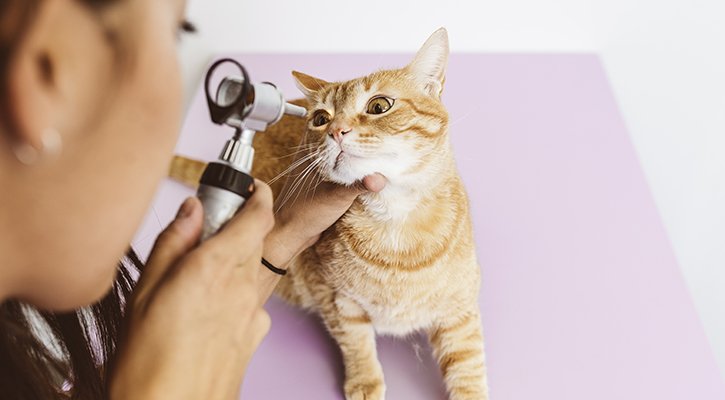
Illness in pets often hides in small changes that you might miss at home. A general veterinarian looks for these early clues during every visit. Routine checkups, simple questions, and quick tests can uncover quiet problems before they turn into crises. This early action can protect your pet from pain and long recovery. It can also spare you from sudden, heavy costs. Regular exams, blood work, and listening to your concerns all work together. These steps catch issues like kidney disease, diabetes, dental infection, and cancer at stages when treatment still works. If you already visit your vet for vaccines for pets in Markham, you have a strong start. You can use those visits to talk about behavior, appetite, and energy changes. A general veterinarian becomes your first line of defense. You gain clearer answers. Your pet gains more time and comfort.
Why regular checkups matter
You see your pet every day. That close bond can hide slow change. A vet sees your pet with fresh eyes. Each exam becomes a careful check of what is normal and what is new.
During a routine visit, a general vet often:
- Checks weight and body shape
- Listens to the heart and lungs
- Looks at eyes, ears, teeth, and skin
- Feels the belly and joints
Each step can show early illness. A slight heart sound can hint at heart disease. Mild redness in gums can warn of dental infection. A small weight drop can point to kidney or thyroid trouble. You may not see these signs at home. The vet is trained to notice them.
Quiet signs that point to hidden illness
Many serious diseases start with vague signs. Your pet may still eat, play, and greet you. Yet the body is under strain. You might see only one or two small changes.
Common early warning signs include:
- Drinking more water
- Urinating more often
- Subtle weight loss or weight gain
- Bad breath or drooling
- Sleeping more or hiding
- Stiffness when getting up
You might think these changes come from age. A vet treats them as clues. With questions and tests, the vet sorts out normal aging from disease that needs treatment.
How vets use simple tests to catch problems early
Physical exams give strong hints. Simple lab tests confirm what is going on inside. Many tests are quick and do not cause pain. They often happen during the same visit.
Common early detection tests include:
- Blood tests to check organs, blood sugar, and infection
- Urine tests to find kidney disease, diabetes, or infection
- Fecal tests to find parasites
- Heartworm tests and tick disease tests
The American Veterinary Medical Association explains that routine exams with lab tests help find illness before clear signs appear.
What general vets catch early
General veterinarians see patterns across many pets. That experience helps them spot trouble early. The table below shows common conditions that a general vet may detect at a routine visit.
| Condition | Quiet early signs | How a general vet often finds it | Why early detection helps |
|---|---|---|---|
| Kidney disease | Increased thirst and urination | Blood and urine tests | Slows damage and extends life |
| Diabetes | Weight loss, hunger, more drinking | Blood sugar and urine glucose tests | Prevents crisis and nerve damage |
| Dental disease | Bad breath, mild gum redness | Oral exam during checkup | Prevents tooth loss and organ strain |
| Arthritis | Stiffness, slow to rise | Joint exam and movement check | Reduces pain and keeps mobility |
| Cancer | Small lump, weight loss | Palpation, imaging, biopsy | Makes treatment more effective |
| Heart disease | Mild cough, lower energy | Heart and lung exam, further tests | Slows progression and eases strain |
The role of vaccines and parasite prevention
Vaccines and parasite control are not only about blocking infection. They also give regular touch points with your vet. Each vaccine visit is a chance to:
- Review your pet’s daily routine
- Update weight and body condition
- Talk about travel, new pets, or changes at home
The Centers for Disease Control and Prevention describe how some infections pass from pets to people. Preventing these infections protects your pet and your family.
How often you should see a general vet
The right schedule depends on age and health status. As a simple guide, you can use three stages of life.
- Puppies and kittens. Visits every three to four weeks during the early months for vaccines, growth checks, and guidance.
- Healthy adults. At least one full exam each year. Some pets need visits twice a year if they have chronic issues.
- Senior pets. Often every six months. Aging bodies change fast. More frequent exams catch issues before they cause suffering.
Your vet may suggest a different schedule based on breed, size, and past health history. That plan should always include regular exams, not only vaccine appointments.
How you can support early detection at home
You share information that no one else can see. Your daily view of your pet’s habits is powerful. Simple steps at home help your vet act faster.
Try to:
- Track appetite, water intake, and bathroom habits
- Watch for new lumps, bumps, or sores
- Notice changes in breath, energy, or mood
- Record any seizures, coughing, or limping episodes
Bring notes or photos to your visit. Clear details give your vet a stronger starting point. That shared picture of your pet’s life can shorten the path to an answer.
When to book a visit right away
Do not wait for the next yearly exam if you see a sudden change. Contact your general vet soon if your pet has:
- Fast breathing or trouble catching breath
- Repeated vomiting or diarrhea
- Refusal to eat for more than one day
- Collapse, seizures, or confusion
- Severe pain, crying, or restlessness
Quick action can mean the difference between a short treatment and a long hospital stay. It can also save your pet’s life.
Final thoughts
A general veterinarian is your steady partner in spotting illness early. Regular exams, honest conversation, and simple tests form a strong shield for your pet. You offer careful watch at home. Your vet offers trained eyes and clear science. Together, you give your pet a safer life and a kinder aging process.