
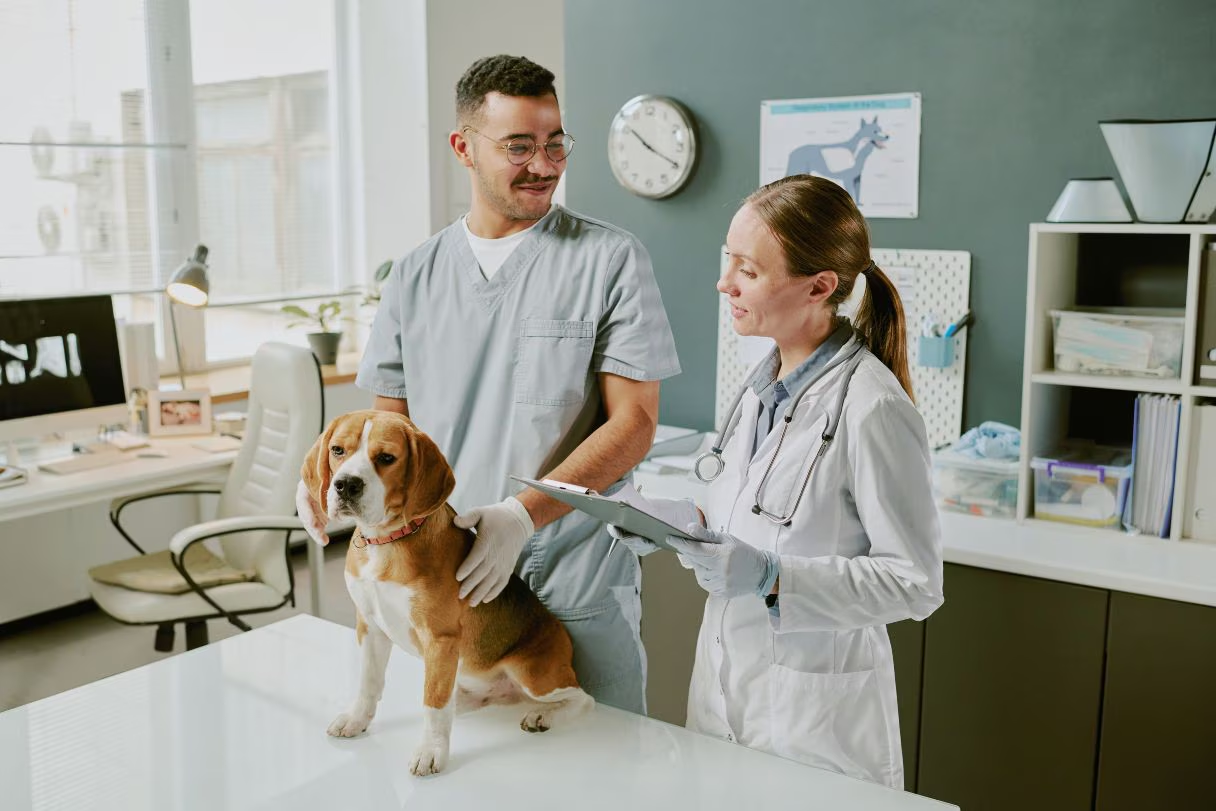
Behavior problems in pets can feel crushing. You may see biting, scratching, hiding, or nonstop barking and feel alone. You are not. Many pets struggle with fear, confusion, or past hurt. Animal clinics play a direct role in easing that strain. You bring your pet in. The clinic team watches, listens, and asks clear questions. Then they rule out pain or illness. Next they create a simple plan for you and your pet. This can include behavior training, changes at home, or medicine when needed. Local clinics that offer full-service veterinary care in Dothan can guide you through each step. You do not need to guess or blame yourself. You can learn why your pet acts this way and what to do next. With steady help from a trusted clinic, your pet can feel safe. You can feel some peace again.
Why Behavior Problems Deserve Quick Attention
Behavior problems are not a phase. They often grow stronger with time. Quick action protects your pet and your family.
You should seek help when you notice any of these signs that repeat or grow stronger:
- Biting, snapping, or growling
- Hiding from people or other pets
- House soiling after being trained
- Destruction of furniture, doors, or walls
- Relentless barking, meowing, or howling
- Shaking, panting, or pacing in normal settings
These signs often show fear or pain. They are not simple stubborn acts. A clinic visit can uncover what your pet cannot say.
How Animal Clinics Look For Hidden Health Causes
Many behavior changes start with health problems. You may see anger or fear. The clinic may see pain.
During a visit the team will usually:
- Review your pet’s history and daily routine
- Ask when the behavior started and what triggers it
- Perform a full physical exam
- Order lab tests or imaging if needed
For example, pain from arthritis or dental disease can lead to biting when touched. Thyroid problems can change mood. The clinic rules out these causes first. That protects your pet from silent suffering.
Behavior Plans You Build With Your Clinic
Once health problems are treated or ruled out, the clinic helps you build a clear behavior plan. This plan often includes three parts.
1. Training That Uses Calm, Clear Rewards
Most clinics support reward-based training. You give your pet clear signals. You offer treats, toys, or praise when your pet shows the behavior you want.
Common training steps include:
- Teaching a safe spot such as a mat or crate
- Practicing short commands such as sit, stay, and come
- Rewarding calm behavior around triggers
This approach builds trust. It also gives your pet simple rules that feel safe.
2. Changes At Home That Lower Stress
Your home can raise or lower your pet’s stress. The clinic team helps you adjust three key things.
- Space. Create a quiet room or crate your pet can choose
- Routine. Keep set times for meals, walks, and play
- Stimulation. Use food puzzles, scent games, or short play sessions
Even small changes can ease barking, chewing, or house soiling. You do not need fancy tools. You only need a plan you can keep.
3. Medicine and Supplements When Needed
Some pets need medicine for fear or aggression. This is not a shortcut. It is one tool among many. Medicine can lower panic so that training works. The clinic will explain risks and benefits in plain words.
Common uses include:
- Noise fears such as fireworks
- Separation distress
- Serious aggression linked to fear
Only a licensed veterinarian should prescribe these drugs. Never use human medicine for pets. That can cause harm.
Common Behavior Problems And How Clinics Respond
| Behavior problem | Possible hidden cause | Typical clinic response |
|---|---|---|
| Aggression when touched | Pain from joints, spine, or teeth | Pain control. Then gentle handling and reward training |
| House soiling | Urinary infection or bowel disease | Lab tests and treatment. Then new potty routine |
| Destruction when alone | Separation distress or noise fear | Behavior plan, safe space, and maybe medicine |
| Constant barking | Under exercise or anxiety | More walks, mental games, and trigger training |
| Hiding or freezing | Chronic fear or past trauma | Slow exposure, calm handling, and safe retreat |
Your Role As A Partner In Care
Clinic visits are short. Your home is where change happens. You become a partner in care.
You can support progress when you:
- Follow the plan exactly as written
- Track behavior in a simple log with dates and triggers
- Use the same words and signals every time
- Keep sessions short and end on a small win
- Ask questions when something feels unclear
Consistency builds new habits in your pet’s brain. Breaks in the routine can slow progress or cause relapse.
When To Ask For A Behavior Specialist
Some cases need extra support. Your clinic can refer you to a board-certified veterinary behaviorist or a trained behavior consultant. These experts focus on complex cases such as serious aggression or deep fear.
You can find more guidance on choosing safe behavior help from the Centers for Disease Control and Prevention’s pet safety resources. That source also explains how behavior affects family safety.
What You And Your Pet Gain
Addressing behavior through a clinic visit gives three main gains.
- Your pet feels safer and more relaxed
- Your home becomes quieter and more stable
- Your bond with your pet grows stronger and more trusting
Behavior problems can trigger shame and anger. You do not need to carry that weight alone. A skilled clinic team can share the load with clear steps and steady care. You can protect your pet’s health and your family’s peace at the same time.