
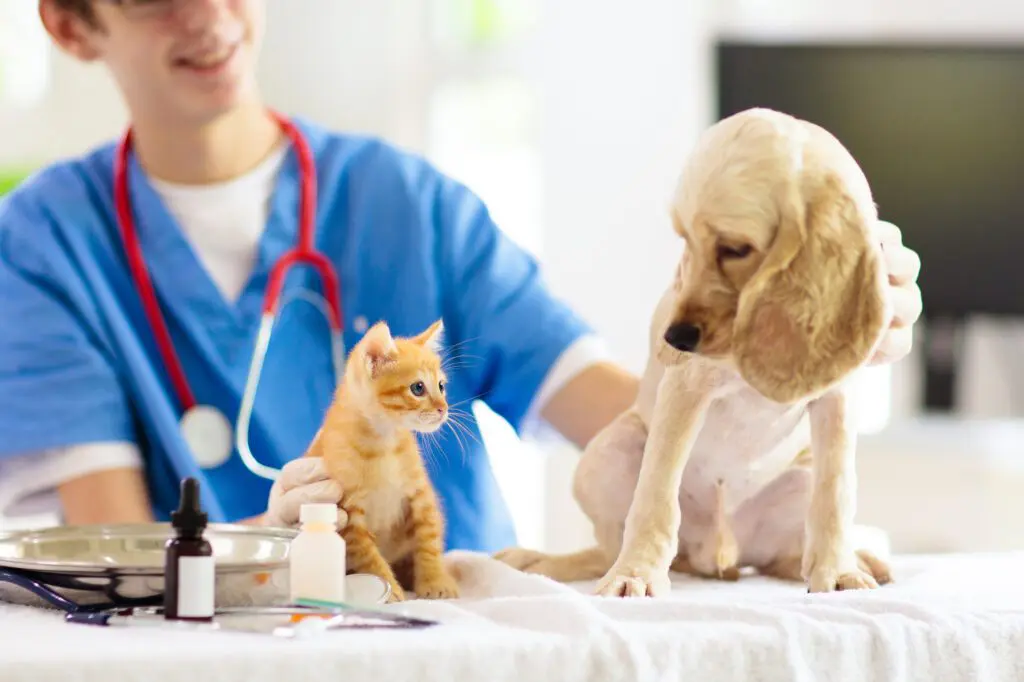
When your animal hurts, you feel it in your chest. You want choices that respect your bond and your budget. Many hospitals now blend standard medicine with options like acupuncture, massage, and herbal care. This mix can ease pain, calm fear, and support recovery for both common pets and rare species. It can also reduce some drug use and shorten healing time. An Alexandria exotic animal veterinarian may suggest these therapies for birds, reptiles, or small mammals that do not respond well to standard treatment alone. You still get clear tests and diagnosis. You also gain safe, gentle support that fits your animal’s needs. This blog explains three key benefits of integrating alternative therapies in animal hospitals. You will see how they can improve comfort, support long term health, and strengthen trust between you, your animal, and your care team.
1. Less pain and more comfort for your animal
Pain steals sleep, play, and trust. You notice it in small ways. A stiff step. A missed jump. A sudden nip that never happened before. When your animal hurts, life shrinks.
Standard drugs like anti-inflammatory medicine and opioids can help. Yet they can strain the liver, kidneys, or gut. Some animals cannot handle strong doses. Others live with pain for years and need more than pills.
Here is where therapies like acupuncture, laser therapy, massage, and physical rehab matter. These methods work with your animal’s body. They support natural repair and help nerves and muscles reset.
Current research from the National Institutes of Health shows that acupuncture can reduce chronic pain in humans. Many veterinary teams use these same methods in a safe way for dogs, cats, and other species. They follow clear training and safety rules.
In an animal hospital, a pain plan that blends both types of care can:
- Lower pain scores for arthritis, back pain, or surgery recovery
- Improve movement in older or injured animals
- Reduce side effects from high-dose pain drugs
You see the change at home. Your dog gets off the bed without a pause. Your cat jumps to the window again. Your rabbit lies stretched out and calm instead of tense and still. Comfort returns in plain, quiet ways.
2. Stronger recovery and long-term health
Recovery is not only about one visit. It is about how well your animal heals over weeks and months. You want scars to soften, joints to move, and organs to work without strain.
Alternative therapies can support this process when your vet uses them with clear goals. They do not replace needed surgery or medicine. They add strength to the plan.
Common uses include:
- Rehab after orthopedic surgery or injury
- Support for chronic gut issues
- Help for aging animals that lose strength or balance
For example, a dog after knee surgery might get:
- Standard care. Pain drugs, rest, and short walks.
- Integrated care. Standard care plus laser therapy, water treadmill, and massage.
Here is a simple comparison that shows how an integrated plan can change recovery. These are general patterns, not strict rules for every case.
| Type of care | Average time to walk more smoothly | Muscle loss in injured leg | Need for stronger pain drugs |
|---|---|---|---|
| Standard medicine only | 8 to 12 weeks | Higher | More common |
| Standard plus alternative therapies | 4 to 8 weeks | Lower | Less common |
Again, every animal is different. Yet many hospitals report these patterns for joint and spine cases.
For chronic disease, the Centers for Disease Control and Prevention share how movement, weight control, and stress control protect long-term health in humans. You can see those ideas at the CDC chronic disease page here: CDC Chronic Disease Overview. Veterinary teams use similar logic. They may add gentle exercise plans, massage, and calming therapies to support heart, joint, and gut health in animals.
This kind of care can:
- Help your animal keep muscle and balance as years pass
- Support immune function after illness or cancer care
- Slow the slide from mild stiffness to full disability
You gain more good days with your animal. Not perfect days. Just more days with comfort and ease.
3. Deeper trust between you, your animal, and your care team
Trust shapes every exam room. Your animal reads your body. You read your vet’s voice. When pain and fear sit in the room, it feels heavy.
Integrated care can shift that weight. When your vet offers options, you feel seen. Your questions about side effects, long waits, or cost meet clear answers. You can choose a plan that fits your values and your limits.
For your animal, gentle hands and slower visits can change how they see the clinic. A dog that only knew needles and restraint might learn that some visits bring soft touch and treats. A cat that feared the carrier might relax after a series of calm, short sessions for laser therapy. A parrot might accept touch when an experienced handler pairs acupuncture or massage with patient steps.
Three simple ways this builds trust include:
- You feel heard. Your stories about small changes at home guide the plan.
- Your animal feels safer. Less rough handling and more calm handling reduce fear.
- Your vet and staff feel respected. Their skills in both standard and alternative care have a clear purpose.
This trust matters when hard choices come. If your animal needs surgery, chemo, or long-term meds, you already know the team. You have seen them use every tool to protect comfort.
How to talk with your vet about alternative therapies
You do not need to know every method. You only need to ask clear questions and share your goals.
Use this simple three-step plan:
- First, share your main worry. Pain, movement, fear, or long-term health.
- Next, ask what standard care can do and where it falls short.
- Then, ask which safe alternative therapies might help and what training the staff have.
You can also ask:
- What are the risks for my animal’s species, age, and health
- How many sessions are typical
- How we will measure progress at home
Some hospitals offer many options. Others may refer you to a clinic that has special training. Either path is fine. What matters is that your vet stays in the loop and keeps full medical records.
Key takeaways for your family
Integrating alternative therapies in animal hospitals is not a trend. It is a careful shift toward pain relief, steady recovery, and stronger trust.
- You can ease pain with fewer side effects when your vet blends methods.
- You can support long-term health so your animal moves and rests with more ease.
- You can build trust so that hard moments feel less lonely and more guided.
Your animal depends on your choices. You are not alone in those choices. A trained team can stand with you and use every safe tool to protect comfort and dignity for the animals you love.