
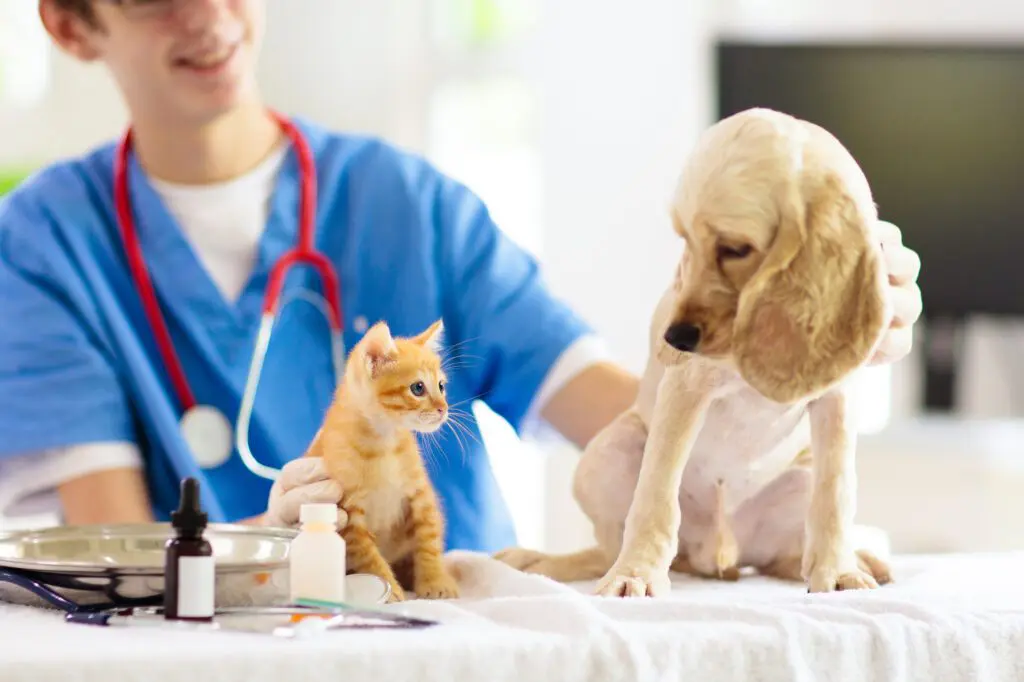
You might be feeling a little tense already. Your pet is due for a veterinary visit at an animal hospital in Oakville, ON, your schedule is packed, and in the back of your mind, you are wondering how your dog or cat will handle the car ride, the waiting room, and the exam itself. Maybe you are worried the veterinarian will find something serious. Maybe you are just bracing for the stress of it all.end
You are not alone. Many caring pet owners feel a mix of anxiety and guilt before a vet visit. You want to do right by your animal, yet you are not always sure what to bring, what questions to ask, or how to keep your pet calm. Because of this, even a routine checkup can feel heavier than it needs to.
The good news is that a little preparation can change the entire tone of the day. With a few simple steps, you can walk into that veterinary appointment feeling more organized, your pet can feel safer, and your veterinarian can focus on giving the best possible care. These six tips will help you do exactly that, from gathering records and questions ahead of time to preparing your pet emotionally and using tools like telehealth when it makes sense.
Why do vet visits feel so stressful, and what makes them easier?
Think about what a typical visit looks like. You might rush out the door, coax your cat into a carrier at the last minute, or pull your anxious dog into the car. You arrive a few minutes late, you are handed forms to fill out, and your pet is already on edge. By the time you see the veterinarian, your mind is racing, and you forget half the questions you meant to ask.
That is the problem. The visit starts from a place of tension. Your pet senses your worry. Your veterinarian is trying to piece together your pet’s story quickly. Important details can be missed. You might walk away still unsure about the plan or the cost.
This tension can grow if you have financial concerns or if your pet has had bad experiences before. You might think, “What if they recommend a big procedure I cannot afford?” or “What if my dog snaps at someone again?” These are real fears. They deserve space, not dismissal.
So, where does that leave you? It leaves you with an opportunity. When you prepare for your pet’s vet visit, you do more than pack a carrier. You set expectations, you gather information, and you create a calmer environment for everyone. The visit becomes a conversation instead of a crisis.
For example, imagine two different scenarios. In the first, you arrive flustered, you forgot your pet’s medications at home, and you remember your main question only when you are already paying at the front desk. In the second, you come in with a short written list of symptoms and questions, a photo of your pet’s recent skin rash, and a clear idea of your budget. The same pet, the same health issue, but a completely different experience and outcome.
That is the heart of preparing for a general veterinarian visit. You cannot control every twist and turn, but you can control how you show up and how supported your pet feels.
What practical things should you think about before the appointment?
There are a few key areas that deserve your attention before you head to the clinic. Each one can reduce stress and improve communication with your veterinary team.
First, information. Your veterinarian can only work with what they know. If your pet has seen other clinics, had emergency visits, or is taking supplements, all of that matters. Having records, photos, and even short videos of your pet’s behavior at home can be incredibly helpful. Resources like this checklist for preparing for a veterinary visit can help you remember the details.
Second, your pet’s emotional state. Many animals are frightened by carriers, car rides, or new places. Some pets shut down. Others bark, hiss, or try to escape. Thinking ahead about how to transport and comfort your pet reduces the risk of a difficult or even unsafe visit.
Third, your own expectations. Are you hoping for a quick vaccine update, or is this about chronic pain, behavior changes, or a second opinion on a serious diagnosis? The more honest you are with yourself about why you are going, the easier it is to explain your goals to the veterinarian.
You might also be wondering whether an in-person visit is even necessary for every concern. In some situations, a telehealth consult can give you guidance on whether your pet needs to be seen urgently or can safely wait. You can read more about what to expect from a remote appointment in this helpful guide on what to expect from a veterinary telehealth appointment.
Should you prepare differently for in-person vs. telehealth veterinary care?
Different types of visits ask for different kinds of preparation. Comparing them side by side can make your options clearer.
| Type of veterinary visit | Best for | How to prepare | Limitations |
|---|---|---|---|
| In person veterinary appointment | Physical exams, vaccines, lab tests, urgent concerns, new serious symptoms | Bring medical records, a list of medications, photos or videos of symptoms, and your written questions. Prepare carrier, leash, and comfort items. | Requires travel. Can be stressful for anxious pets. Time in the waiting room. |
| Telehealth consult with a veterinarian | Behavior questions, follow up on chronic issues, minor concerns, deciding if in-person care is needed | Test your device and internet, gather recent photos or videos, and have your questions and any home monitoring notes ready. | No hands-on exam. Some conditions cannot be diagnosed or treated without an in-person visit. |
| Nurse/technician visit | Nail trims, some lab samples, vaccine boosters, weight checks | Confirm what services are allowed, bring any requested samples, and prepare your pet for handling. | Cannot replace a full exam with the general veterinarian. |
When you see the comparison laid out like this, it becomes easier to match your pet’s needs with the right format, then prepare in a focused way.
Six simple tips to prepare for your pet’s veterinary appointment
So what can you actually do today to make your next visit smoother and more effective?
1. Gather your pet’s health story in one place
Write down a short timeline of what you have noticed. When did the problem start? Has it changed? What seems to make it better or worse? Include things like appetite, water intake, energy, litter box or potty habits, coughing, sneezing, limping, or any changes in behavior.
Bring a list of all medications and supplements, including doses and how often you give them. If your pet has seen other clinics, ask for copies of records and lab results ahead of time. This simple step helps your veterinarian see the full picture during your general veterinarian visit instead of trying to guess in the moment.
2. Use photos and videos to “bring home” into the exam room
Many problems are hard to see during a short visit. A limp may be worse at night. A cat may only cough at home. Your dog’s behavior with strangers may not show up in the exam room.
Use your phone to capture short clips of what you are worried about. Take clear photos of skin issues, eye discharge, or changes in weight. These real-life snapshots are powerful tools. They help your veterinarian understand what you are seeing when you prepare for your pet’s vet visit.
3. Make a short, written list of questions and priorities
It is very easy to forget your most important questions once the exam begins. Before the appointment, sit down and write three things you most want to cover. For example:
“Is this cough dangerous, or just annoying?”
“What are my options if I cannot afford the most advanced treatment?”
“What should I watch for at home that would mean we need to come back sooner?”
Hand this list to the veterinary team at the start. It gives structure to the visit and helps them understand what matters most to you.
4. Prepare your pet emotionally and physically for the visit
For cats, keep the carrier out all the time with a soft blanket and treats inside, so it feels familiar instead of frightening. Cover the carrier with a towel in the car to create a safe little cave. For dogs, practice short car rides that end in something pleasant, like a walk or a treat at home, so the car does not always mean “vet.”
On the day of the appointment, bring your pet hungry if the veterinarian has not instructed you to fast them. Treats during the visit can make handling easier. Bring a favorite toy, blanket, or shirt that smells like home. For very anxious pets, ask in advance if calming medications or fear-free options are available.
5. Clarify costs and follow up before you leave
Money stress can quietly overshadow your ability to take in medical information. It is okay to say, “I am worried about cost. Can you walk me through the most important tests or treatments, and what can safely wait?”
Ask for a written estimate and a simple summary of the plan. Clarify what signs would mean you should return or call sooner. Also, ask how the clinic handles follow-up questions. Some offer phone or telehealth check-ins for certain concerns, which can spare your pet another trip for minor updates.
6. Use trusted resources to reinforce what you heard
After the visit, it is normal to forget parts of the conversation, especially if you were worried. Ask your veterinary team if they can provide handouts or links that match your pet’s condition.
How can you feel more confident about your pet’s next vet visit?
Preparing for your pet’s veterinary appointment is not about being perfect. It is about showing up with intention. When you gather information, think about your pet’s comfort, and speak openly about your worries, you create a partnership with your veterinary team instead of a one-sided visit.
You care deeply about your animal. That care is already the most important thing you bring into the clinic. By adding a little structure and preparation, you protect your pet’s health, ease your own mind, and make every future visit a bit less stressful.
Your next step is simple. Pick one or two of these tips and use them for your upcoming pet’s vet visit. Over time, they will become habits, and those “white knuckle” appointments can turn into calmer, clearer conversations about keeping your pet well for years to come.