
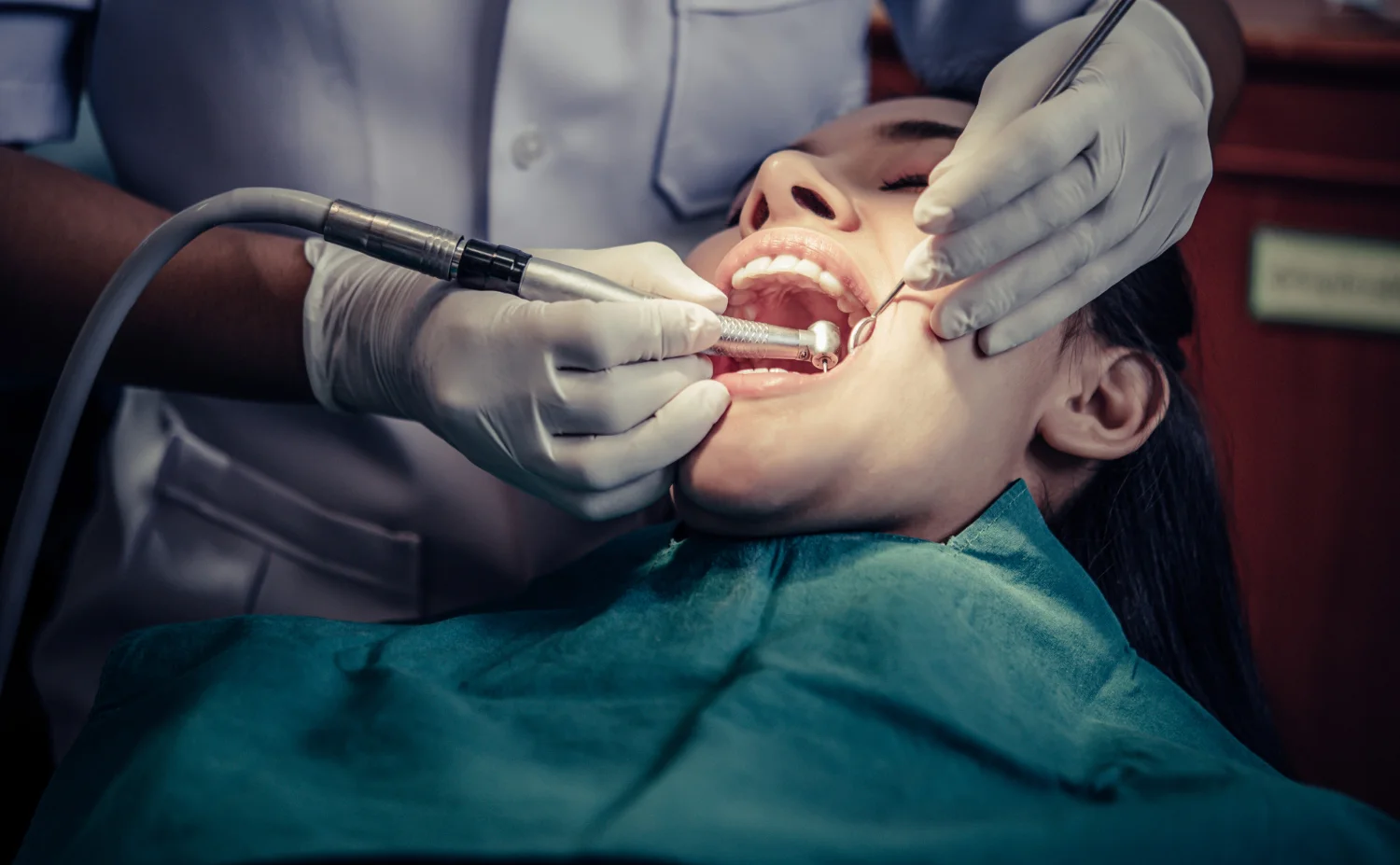
You invested in veneers or crowns to protect your smile. Now you want them to last. Preventive dentistry is how you keep that promise to yourself. It focuses on simple habits that stop damage before it starts. You brush the right way. You clean between your teeth. You see your dentist on a set schedule. Each step protects the thin edges of veneers and the seal around crowns. Without that care, tiny cracks, stains, and decay creep in. Then the work fails early, and you pay again. With steady preventive care, veneers keep their shape. Crowns stay tight. Gums stay firm. You keep chewing without pain. You keep smiling without worry. A trusted dentist in High Point, NC can guide you through a clear plan. You learn what to do daily. You learn what to avoid. You gain control over how long your dental work lasts.
Why Veneers And Crowns Need Extra Care
Veneers and crowns do not decay. Your natural tooth under them still does. The weak spots sit at the edges where tooth and material meet. Bacteria collect there. Plaque hardens. Gums pull back. Then decay slips under the veneer or crown. At that point, repair often means full replacement.
You also face wear from chewing, clenching, and grinding. Veneers can chip. Crowns can crack. Small chips spread. A strong daily routine and regular checks catch early changes before they turn into failure.
Core Preventive Habits That Protect Your Dental Work
Three daily habits give you the most control over the life of veneers and crowns.
- Brush twice a day with fluoride toothpaste
- Clean between teeth every day
- Use regular checkups and cleanings
The Centers for Disease Control and Prevention stresses daily brushing with fluoride to prevent decay. You protect your natural teeth. You also protect the margin where teeth meet your dental work.
How To Brush Without Damaging Veneers And Crowns
You need clean teeth. You also need gentle care around the edges of each veneer and crown.
- Use a soft toothbrush
- Brush for two minutes
- Hold the brush at a slight angle toward the gumline
- Use small strokes along the edge of veneers and crowns
- Spit out toothpaste instead of rinsing with water
Soft bristles clean plaque without scratching the surface. Hard bristles can wear down the edge where the crown or veneer meets the tooth. Over time, that wear can expose the tooth and invite decay.
Cleaning Between Teeth Protects The Edges
Floss or another tool that cleans between teeth is not optional. It is your only way to break up plaque that hides between veneers, crowns, and neighboring teeth.
- Slide floss gently under the contact point
- Curve it around each tooth in a C shape
- Clean up and down along the side and at the gumline
If you have tight spaces or bridges, your dentist may suggest floss threaders, small brushes, or water flossers. The exact tool matters less than steady use.
Routine Dental Visits Extend Longevity
Home care is not enough. Your dentist uses tools and training to spot warning signs you cannot see. Early findings save your dental work and your money.
During a preventive visit, your dentist or hygienist will usually
- Check the fit of veneers and crowns
- Look for hairline cracks or chips
- Measure gum health around each tooth
- Remove hardened tartar that brushing misses
- Review your brushing and flossing habits
The National Institute of Dental and Craniofacial Research explains that regular dental visits help catch decay and gum disease early. That same early action protects the teeth that support veneers and crowns.
Habits That Shorten The Life Of Veneers And Crowns
Some daily choices strain or stain your dental work. You can control many of them.
- Chewing on ice, pens, or hard candy
- Using teeth to open bags or packages
- Grinding or clenching teeth during the day
- Uncontrolled teeth grinding at night
- Smoking or using other tobacco products
- Frequent sugary drinks or snacks
If you grind your teeth, your dentist may make a night guard. This simple device carries the force of grinding. It spares veneers and crowns from constant pressure.
Comparison Table: With and Without Preventive Care
| Factor | With strong preventive care | With poor preventive care |
|---|---|---|
| Expected lifespan of veneers | 10 to 15 years or longer | 5 to 7 years or less |
| Expected lifespan of crowns | 10 to 20 years | 5 to 10 years |
| Risk of decay at margins | Low | High |
| Risk of gum disease near restorations | Lower with clean gums | Higher with plaque and tartar |
| Chance of sudden break or chip | Reduced with guards and careful habits | Increased with grinding and hard chewing |
| Long term cost | Fewer replacements and repairs | Frequent new work and emergency visits |
Simple Daily Routine To Protect Veneers And Crowns
You do not need complex steps. You need steady action. This routine fits most adults and teens.
- Morning. Brush with fluoride toothpaste for two minutes. Clean between teeth.
- Midday. Rinse with water after meals. Limit sugary snacks and drinks.
- Evening. Brush again for two minutes. Clean between teeth. Wear a night guard if prescribed.
- Every six months. Schedule a checkup and cleaning, or as your dentist advises.
When To Call Your Dentist Right Away
Do not wait and hope a problem will fade. Quick action can save a veneer or crown.
- New sensitivity to hot, cold, or sweet foods
- Pain when biting or chewing
- Sharp edges or rough spots on a veneer or crown
- Swollen, sore, or bleeding gums around one tooth
- A crown or veneer that feels loose
Prompt care can mean a small polish, a minor repair, or a simple bite adjustment. Delay often means full replacement.
Take Control Of Your Smile’s Future
Preventive dentistry is not complex. You brush. You clean between your teeth. You keep routine visits. You avoid habits that strain teeth. Each choice protects the natural tooth under your veneers and crowns. Each choice protects your time, your money, and your comfort.
You invested in your smile once. With steady preventive care, you make that investment last as long as possible.