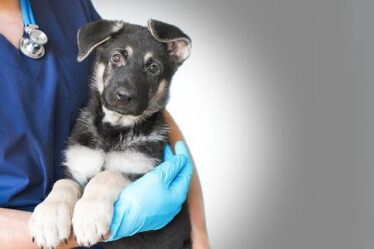

You might be looking at your dog or cat and wondering if spaying or neutering is really necessary. Maybe someone at the park told you it is “unnatural,” or you are worried about the cost, or you feel guilty about putting your pet through surgery. At the same time, you keep hearing that it is important for your pet and for the community, and that tension can leave you feeling stuck. West Grove animal clinic.
That is a hard place to be. You care about your animal, you care about doing the right thing, and you do not want to make a decision you regret. So where does that leave you?
In simple terms, spay and neuter services protect your pet’s health, reduce certain behavior problems, and relieve pressure on shelters and rescue groups. They also help control the number of unwanted litters in your neighborhood, which means fewer animals suffering outside and fewer difficult choices for families and animal control. When you zoom out, one pet’s surgery can quietly support the health and safety of an entire community.
This guide walks you through why that is true, what the real concerns are, and how to move forward in a way that feels thoughtful rather than rushed.
Why is this decision so emotional for many pet owners?
When you think about spaying or neutering, you are not just thinking about a medical procedure. You are thinking about your pet going under anesthesia. You are thinking about money. You might also be wrestling with ideas about what is “natural” or whether you are taking away something important from your pet.
Because of this, it helps to name the main fears out loud.
One common fear is surgery itself. You might picture your pet scared in a cage or worry they will be in pain afterward. Modern spay and neuter programs use safe anesthesia, pain control, and careful monitoring. The surgery is usually short, and most animals go home the same day and rest comfortably with a few days of restricted activity.
Another fear is cost. You might be juggling rent, food, and other bills, and the idea of paying for surgery feels overwhelming. Yet the cost of one emergency litter, a difficult birth, or a serious infection like pyometra in an unspayed female can be much higher. Many communities also offer low cost or free services. For example, the District of Columbia provides helpful guidance and program information through its spay and neuter information for DC residents.
Then there is the emotional side. Some people feel it is kinder to let a pet have “just one litter” or worry that neutering a male animal will change his personality. In reality, most pets stay the same loving companions they were before surgery. What often changes are the risky behaviors, like roaming, fighting, or spraying, which can actually improve your bond with your pet.
How do spay and neuter services protect both pets and people?
Once you step back from the fear, you can look at what these surgeries actually do for health and for the community.
On the medical side, spayed female dogs and cats have a much lower risk of mammary (breast) tumors, especially if they are spayed before their first or second heat cycle. They also avoid life threatening uterine infections. Neutered males no longer face testicular cancer and have a reduced risk of certain prostate problems. These are not rare issues. General veterinarian clinics see them every week in older, unaltered animals.
Behavior is another major reason many people choose surgery. Neutered males are less likely to roam in search of mates. That means fewer escapes, fewer car accidents, and fewer lost pet posters. You also often see less urine marking, mounting, and fighting with other males. Spayed females do not go into heat, which avoids bleeding, howling, and the stream of hopeful male visitors at your door or in your yard.
So how does that reach beyond your home and support community pet health? When fewer animals roam, fight, or breed without control, neighborhoods are safer and calmer. There is less noise from mating calls and territorial barking. There are fewer dog fights in parks and fewer litters born under porches or in abandoned lots. Programs that focus on community cats, such as trap neuter return projects, show how powerful this can be. In Maryland, for example, a feral cat spay and neuter project documented reductions in litters and shelter intake by steadily altering outdoor cats. You can see how such a program is structured in this feral cat project fact sheet from Maryland.
As births go down, shelters are not as overwhelmed. That means they can give more time and resources to each animal that does arrive. Fewer animals are euthanized for lack of space. Rescue groups can focus on medical and behavioral help instead of scrambling to place endless litters of kittens and puppies. Your individual decision to spay or neuter becomes part of a quiet, collective effort to reduce suffering.
What are the real tradeoffs of spaying and neutering your pet?
It is fair to ask what you might be giving up or risking when you choose surgery. A balanced view can help you feel more confident.
| Question | If you spay/neuter | If you do not |
|---|---|---|
| Health outcomes | Lower risk of certain cancers and infections. No pregnancy complications. Longer average lifespan in many studies. | Higher risk of mammary tumors, uterine infection in females, testicular cancer and some prostate issues in males. Possible pregnancy risks. |
| Behavior and safety | Less roaming, fighting, and marking. Often calmer at home. Fewer escapes and accident risks. | Stronger drive to roam and seek mates. More risk of fights, bites, and traffic accidents. More marking and heat related behaviors. |
| Financial impact | One time surgery cost, often reduced through community programs. Fewer surprise costs from litters or reproductive emergencies. | Possible costs from pregnancies, caring for or rehoming litters, and emergency treatment for infections or complications. |
| Community effect | Supports community spay and neuter efforts. Fewer stray and unwanted animals. Less pressure on shelters. | More unplanned litters. Higher shelter intake and community cat populations. Greater strain on local resources. |
You may hear people mention some possible downsides, such as a small increased risk of certain joint issues if large breed dogs are altered very early. This is where a trusted general veterinarian becomes important. The timing of surgery can be adjusted based on your pet’s breed, size, and lifestyle. The key point is that the benefits of spay and neuter services usually outweigh the risks when decisions are made thoughtfully.
What can you do right now to move forward with clarity?
Knowing all this is helpful, but you still need clear next steps. Here are three practical actions you can take.
1. Have an honest conversation with a veterinarian
Schedule a visit or call with a general veterinarian and share your real concerns. Mention your pet’s age, breed, and temperament. Ask about the recommended timing, the specific risks for your animal, and what pain management will look like. A good vet will not pressure you. They will help you weigh the pros and cons for your unique situation.
2. Explore local low cost or assistance programs
If cost is a barrier, look for community programs, humane societies, or city and state resources that reduce or cover the fee. Many areas have vouchers or partnerships with clinics that make surgery far more affordable. City health department websites and animal rescue organizations are good starting points. Even if you feel embarrassed about asking for help, remember that these programs exist because communities want fewer animals to suffer.
3. Plan for a calm, safe recovery at home
Part of your worry may be about how your pet will handle recovery. You can ease that stress by preparing in advance. Set up a quiet space with a comfortable bed, water, and a way to keep other pets or children from bothering them. Ask for written discharge instructions and follow them closely, including the use of any e collar and activity restrictions. A little preparation goes a long way in making the healing period smooth and short.
Where does this leave you and your community?
You started with questions and maybe a knot of worry in your stomach. Now you know that spaying and neutering is not just a rule people repeat without thinking. It is a proven way to protect your pet’s health, reduce stressful and risky behaviors, and ease the burden on shelters, rescues, and neighbors.
You do not have to rush, but you also do not need to stay stuck. Talk with a veterinarian, explore support in your area, and choose a time that feels right for your pet. By choosing responsible spay and neuter for pets, you are quietly supporting a healthier, kinder community for both animals and people.