
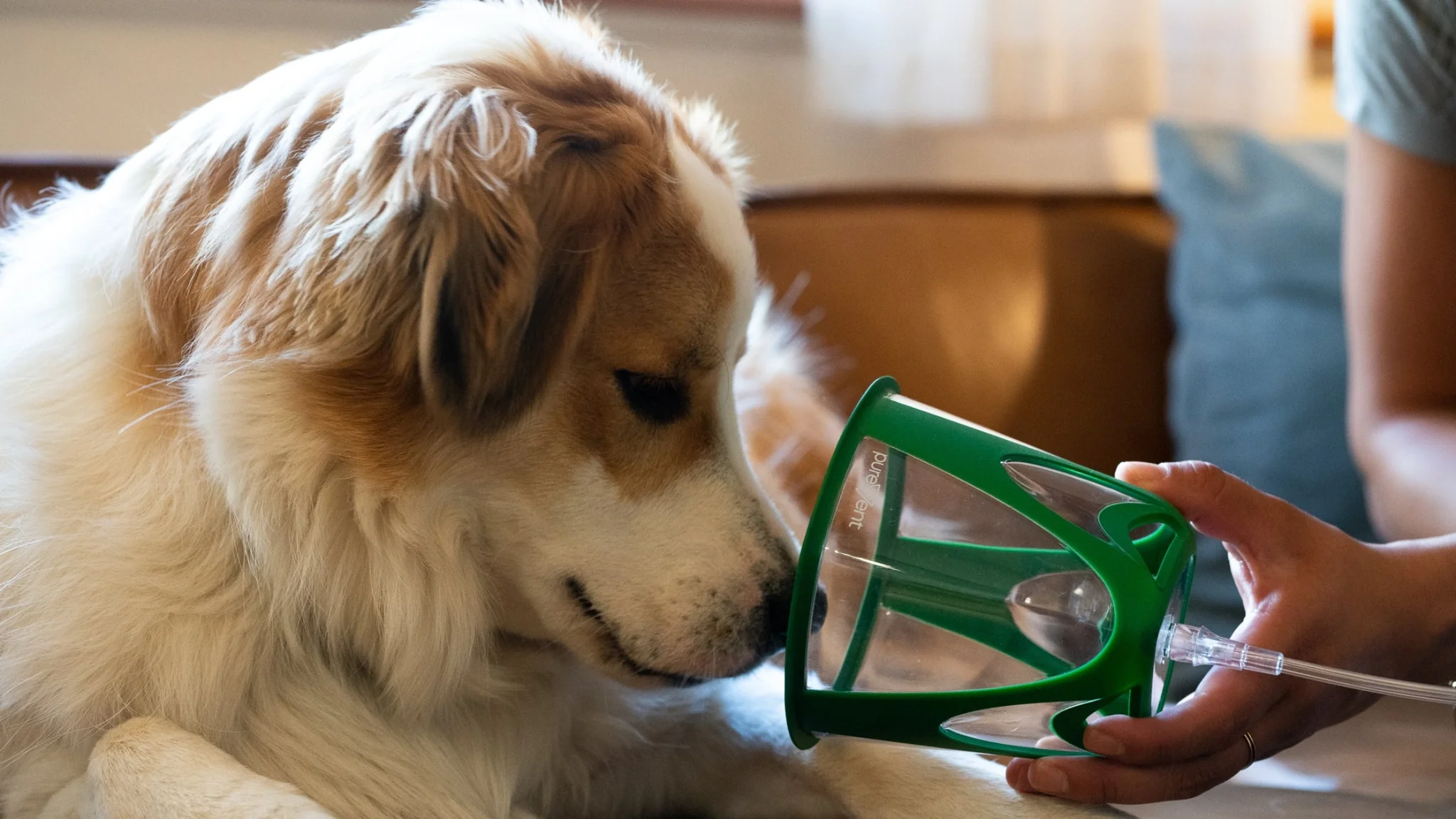
You might be sitting there watching your dog or cat, knowing something is wrong, but not quite finding the words for it. Maybe the chest is moving too fast, the mouth is open, the nostrils flare, or they are making a strange sound with every breath. In moments like these, knowing where to find emergency veterinary services in Roanoke, Virginia can make all the difference. You count the breaths, you tell yourself to stay calm, but your heart is pounding anyway.
Before this started, breathing was something you never had to think about. Now it is all you can see and hear. You may feel torn between rushing to an emergency animal hospital and hoping it will pass on its own. You might also worry about the cost, the time, and whether you are “overreacting.”
Here is the simple truth. When a pet is in respiratory distress, emergency veterinarians treat breathing first because nothing else matters until oxygen is stable. You can adjust medications later, you can discuss diagnoses later, but you cannot wait on air. This is why trouble breathing is always an emergency, and why getting help early gives your pet the best chance to recover.
What does respiratory distress in pets actually look like?
One reason this feels so confusing is that “breathing trouble” does not always look dramatic at first. It can sneak up quietly. You might notice your dog standing with elbows held out, neck stretched, and ribs showing with each breath. Or your cat may hide, breathe with an open mouth, or avoid lying on one side.
Veterinary experts describe several warning signs. For dogs, Cornell’s Canine Health Center explains how to recognize and respond to canine respiratory distress, including rapid breathing, noisy breathing, and blue or gray gums. For cats, the Cornell Feline Health Center describes dyspnea or difficulty breathing with signs like open mouth breathing, flared nostrils, and sitting with the chest held upright.
So where does that leave you when you are trying to decide what is “urgent enough” to go in right now?
Emergency vets focus on a few key clues that suggest true breathing emergency in pets:
- Rapid breathing at rest, especially if it is new or worsening
- Using belly muscles or neck muscles to breathe
- Open mouth breathing in cats at any time
- Gums that look pale, gray, or bluish instead of healthy pink
- Collapse, weakness, or sudden inability to walk normally
- Loud, harsh, squeaky, or snoring sounds with each breath
If you are seeing any of these, the safest assumption is that your pet needs urgent care.
Why do emergency vets always treat breathing first?
In an emergency room, the first questions are always the same. Is the pet getting enough oxygen. Is the heart pumping. Is the brain getting blood. Everything else comes after that. When breathing is not effective, every organ is at risk, and time matters in minutes, not hours.
Because of this, you might see the team move very quickly and very quietly. They may take your pet from you for oxygen, X rays, or blood pressure checks before you have all your questions answered. That can feel frightening, even a little cold, but it is actually an act of care. They are working to stabilize the thing that cannot wait.
There are many causes of respiratory problems in dogs and cats, and not all are directly in the lungs. Heart disease can lead to fluid in or around the lungs. Tufts’ HeartSmart program lists trouble breathing as a key sign of cardiac disease in pets who have difficulty breathing or dyspnea. Other causes include asthma, pneumonia, airway obstruction, trauma, and even stress-triggered flares of chronic disease.
This uncertainty is part of what makes the situation so stressful. You do not know if it is something “fixable” with medication or something more serious. You may also worry about the financial impact of emergency care. That tension can make you hesitate, even when your gut says to go in.
Here is the hard part. Waiting rarely makes true respiratory distress better. If the cause is heart failure, fluid can keep building. If it is airway swelling, the opening can keep narrowing. If it is lung infection, the effort of breathing can exhaust your pet. Delaying care often means a sicker patient, more intensive treatment, and higher cost.
Quick evaluation at an emergency animal hospital gives you clarity. Sometimes that clarity is reassuring. Sometimes it is sobering. Either way, you are no longer guessing alone at home.
How does urgent care for breathing compare to “wait and see” at home?
It can help to see the differences side by side. This is not meant to scare you, but to give a clearer picture while you are deciding what to do.
| Choice | What it looks like in real life | Possible benefits | Possible risks |
|---|---|---|---|
| Waiting at home with breathing changes | You watch your pet, count breaths, maybe search online, and hope the signs ease up overnight. | May avoid an unnecessary trip if signs truly resolve and were mild, such as panting from brief excitement or heat. | Condition may worsen quietly. Oxygen can drop before you see dramatic signs. Emergency care later may be more intense and more expensive. |
| Calling your regular veterinarian first | You describe breathing signs by phone. They may ask you to come in soon or send you directly to emergency. | Guidance from a team that knows your pet. Can filter out minor issues and prioritize true emergencies. | If signs are severe and they are closed or booked, time can be lost. Phone descriptions can underestimate how serious it is. |
| Going straight to an emergency animal hospital | You bring your pet in immediately. The team checks oxygen, heart, and breathing right away. | Fast oxygen support and diagnostics. Earlier treatment usually means better comfort and better odds of recovery. | Visit cost can be higher. Emotional stress of urgent visit. You may have to make decisions quickly. |
When you think in these terms, it becomes clearer why emergency vets urge you not to wait with obvious respiratory distress. Breathing is not something that “works itself out” when it is truly failing.
What can you do right now if you are worried about your pet’s breathing?
You may feel pulled between fear and the need to act. Here are some focused steps that can help you move from panic to a plan.
1. Check, count, and observe calmly
First, gently observe your pet without adding stress. Do not force them to move or lie down. Instead, note:
- Breathing rate at rest. For most relaxed dogs and cats, under about 30 breaths per minute is typical. Over 40 at rest is concerning.
- Effort. Are the ribs or belly working hard. Are the nostrils flaring. Is the neck stretched out.
- Sounds. Is there wheezing, snoring, squeaking, gagging, or honking.
- Color. Check the gums if it is safe to do so. Healthy gums look pink. Pale, gray, or blue gums are an emergency.
If your pet is panicked by handling, do not push it. The priority is keeping them as calm and quiet as possible.
2. Use the “when in doubt, go in” rule for distress
If you see any of the following, treat it as an emergency and head to an animal hospital immediately:
- Open mouth breathing in a cat
- Fast breathing at rest that does not settle within a few minutes of calm
- Visible struggle to breathe, with belly and chest heaving
- Blue, gray, or very pale gums or tongue
- Collapse, inability to stand, or sudden severe weakness
Do not offer food or water on the way. Do not try home remedies. Focus on gentle handling and getting there safely. If possible, call ahead so the team can be ready.
3. Prepare a simple “breathing emergency” plan for the future
Once your pet is stable, or even if you are only reading this as a precaution, it helps to have a plan written down:
- Know the nearest 24 hour emergency animal hospital and save the address and directions.
- Ask your regular veterinarian what breathing signs they consider urgent for your pet’s age and conditions.
- Keep a small notebook or phone note with your pet’s typical resting breathing rate when healthy. That way you can spot changes sooner.
Having this plan does not mean you expect the worst. It simply means that if your pet ever has respiratory distress in pets, you will not be starting from zero in a moment of panic.
Moving forward when your pet’s breathing has scared you
Seeing your pet struggle to breathe is one of the most unsettling experiences you can have as a caregiver. It shakes your sense of safety at home. It is normal to replay the moment in your mind and wonder if you did enough or acted fast enough.
You did the most important thing by paying attention. You noticed that something was off. You cared enough to seek information and support instead of ignoring the signs. When it comes to a pet breathing emergency, that awareness is exactly what gives them a better chance.
If you are still unsure whether your pet needs immediate care, trust your discomfort. Trouble breathing is never something to “wait out” for long. A quick call or visit to an emergency animal hospital can bring answers, relief, and a path forward, whether the problem turns out to be minor or more serious.
Your pet depends on you to be their voice. When their breathing changes, acting early is one of the strongest ways you can protect them.