You probably noticed the wound first, then the blood, then the way your pet looked at you as if to ask what was happening. Maybe it was a torn nail after a zoomie on the pavement, a small cut from a fence, or a bite from another animal that “didn’t look that bad” at first. Now you are watching the area swell or ooze, and you are wondering how worried you should be and whether a Pensacola veterinarian for urgent care is the right move.
You might be feeling pulled in two directions. Part of you thinks it is just a minor wound and you should be able to handle it at home. The other part worries about infection, pain, or missing something serious under the surface. That tension is completely normal. You care about your animal, and you do not want to overreact or underreact.
The short version is this. Animal urgent care exists exactly for moments like this. For minor wounds and lacerations, the team will assess how deep and contaminated the injury is, ease your pet’s pain and fear, clean and protect the tissue, and decide if it needs stitches, bandages, or just simple care. Your job is not to know all the answers. Your job is to get your pet to people who work with these injuries every day.
What really happens when your pet arrives with a minor wound?
It helps to picture what veterinary urgent care actually does when you walk in with a bleeding paw or a scraped ear. That way, you know what to expect and why it matters.
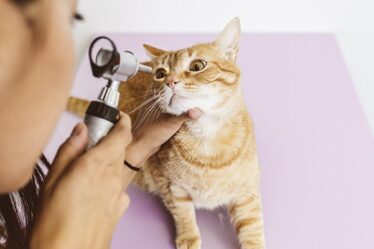
First, the team looks at the whole animal, not just the cut. They check breathing, heart rate, gum color, and overall comfort. Even “minor” lacerations can be part of a bigger problem, like a hit-by-car injury, so they make sure your pet is stable before focusing on the wound itself.
Then comes the wound assessment. For minor wound care for pets, the veterinarian looks at several things. How deep is the cut. How long ago did it happen. Is there dirt, fur, gravel, or saliva in it. Is it near a joint, an eye, or a sensitive area like the mouth or groin. These details help decide if the wound can be managed simply or if it needs more advanced care.
Because of this, you might wonder how much you can safely do at home. The answer depends a lot on the type of injury and your pet’s behavior, and that is where the emotional side kicks in.
Why do “small” wounds feel so stressful and confusing?
There is the obvious fear of infection, but there is also the fear of regret. Many pet owners worry they will ignore a minor cut that later turns into a painful abscess or a serious infection. On the other hand, urgent care visits cost money, and you may feel guilty spending on something that “might have healed on its own.” That internal tug of war is real.
Imagine this. Your dog gets a small slice on a back leg from a piece of metal. It bleeds a bit, you clean it, and the dog walks fine. Two days later the area is swollen, hot, and your dog yelps when you touch it. Now you are not just dealing with a wound. You are dealing with your own second-guessing, plus your pet’s clear pain, plus an urgent care bill that may be higher than it would have been if the wound had been treated right away.
Or picture a cat coming home with a tiny puncture from a neighborhood scuffle. The hole almost disappears under the fur. It looks like nothing. Bite wounds from cats and other animals are classic troublemakers though. They seal over quickly on the surface while bacteria multiply underneath. Within 24 to 72 hours, you can see a painful swelling and drainage that needs urgent veterinary care.
Those “what if” stories are not meant to scare you. They are meant to show why veterinary treatment for pet cuts and scrapes is often about preventing bigger problems rather than reacting to them later.
How does veterinary urgent care actually treat these wounds?
Once the team has assessed your pet, the process usually follows a clear path.
They often start with pain relief and calming, especially if your pet is anxious or defensive. This might be a mild sedative, a pain injection, or both. The goal is simple. Your pet should not suffer while the wound is cleaned or stitched.
Next comes clipping and cleaning. Fur around the wound is shaved so the team can see the full damage. Then they flush the area with sterile solutions to remove dirt and bacteria. This step looks straightforward, yet it is one of the most important parts of successful wound management. If you want a deeper look at how professionals approach cleaning, the Merck Veterinary Manual on wound management is a useful reference for many veterinarians.
After cleaning, the veterinarian decides how to close or protect the wound. Minor lacerations that are fresh, clean, and not under a lot of tension may be closed with a few stitches or skin staples. Some wounds are left slightly open, or partially closed, to allow drainage. Others are managed with bandages and regular rechecks rather than sutures, especially if the tissue is bruised or the wound is older and contaminated.
Antibiotics and anti-inflammatory medications are often prescribed, especially for bite wounds or injuries in dirty environments. You may also go home with a cone or other barrier so your pet cannot lick or chew the area, because self-trauma is one of the quickest ways to undo good work.
So where does that leave you when you are standing in your kitchen trying to decide between home care and urgent care?
Home care vs animal urgent care for minor wounds: how do you choose?
Some small scrapes and surface abrasions can safely be managed at home if your pet is comfortable and you can keep the area clean. Others really do call for animal urgent care. The table below gives a practical comparison to guide your thinking.
| Situation | Home First Aid | Urgent Care Visit |
|---|---|---|
| Size and depth of wound | Superficial scrape or cut less than 1/2 inch, not gaping, not near eyes or joints. | Deep, gaping, longer than 1/2 inch, or you can see fat, muscle, or bone. |
| Bleeding | Oozing that stops within 5 to 10 minutes of gentle pressure. | Bleeding that soaks through cloth, spurts, or will not slow after 10 minutes. |
| Cause of the wound | Known clean surface like indoor floor or minor brush burn. | Bite from another animal, unknown object, metal, or very dirty environment. |
| Pet’s behavior | Pet allows you to inspect and gently clean without strong resistance. | Pet growls, snaps, hides, or is too painful to handle safely. |
| Change over 24 hours | Looks the same or better, no new swelling or discharge. | Swelling, heat, pus, strong odor, or sudden change in how your pet walks or uses the limb. |
If you do choose to start with home care, basic first aid can still be powerful. Many veterinary groups teach owners to apply gentle pressure, rinse with clean water or saline, and protect the area until they can be seen. The Oregon Veterinary Medical Association has a helpful handout on first aid for pets that explains simple, safe steps without replacing professional care.
Three immediate steps you can take when your pet is hurt
1. Stay calm and control the bleeding
Take a breath first. Your pet reads your body language. Use a clean cloth or gauze and apply steady, gentle pressure to the wound for several minutes. Do not keep lifting the cloth to check every few seconds. Give the blood a chance to clot. If the cloth soaks through, place another layer on top.
2. Protect the wound and your pet’s comfort
If your pet allows, gently rinse visible dirt with clean, lukewarm water. Do not use hydrogen peroxide, alcohol, or strong antiseptics unless a veterinarian has told you to. These can damage healthy tissue. Keep your animal from licking or chewing the area by using a cone you already have or a temporary barrier. If your pet is very painful or tries to bite, do not push it. That is a sign to get to urgent care quickly.
3. Decide on urgent care using clear warning signs
Seek urgent veterinary care right away if the wound is deep or gaping, if bleeding will not slow, if the injury involves the eye or mouth, or if you suspect a bite from another animal. Go in the same day if there is swelling, discharge, a bad smell, or your pet becomes lethargic, refuses food, or hides. When in doubt, call a veterinary urgent care clinic and describe what you see. A short phone conversation can clarify the next step.
Moving forward with confidence and care
Caring for an injured pet is emotionally heavy. You are trying to read an animal that cannot explain what hurts, while also juggling time, cost, and worry. You are not expected to be perfect. You are only expected to respond with care and to seek help when something does not feel right.
When you choose urgent veterinary wound treatment instead of hoping a minor laceration will take care of itself, you are not overreacting. You are giving your animal the best chance at a quick, comfortable recovery and avoiding the slow burn of hidden infection or chronic pain. Trust that instinct. Your pet depends on it, and you do not have to navigate it alone.